
Rachel Maxwell Moore Gallery
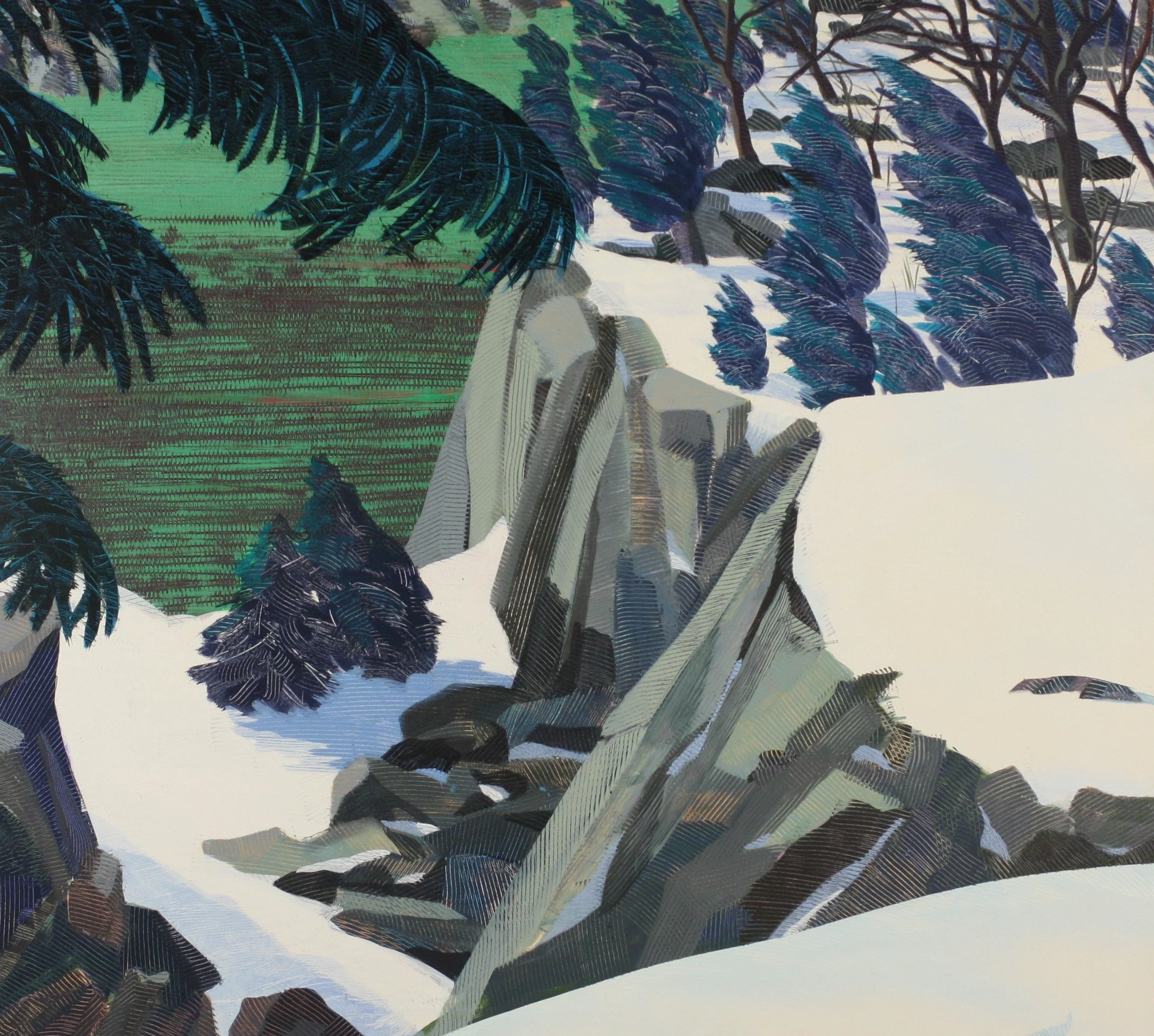
Past Saalbach
Maude Gatewood, 1991
New Additions (Paintings Here are Just Placeholder!!!)
-
![]()
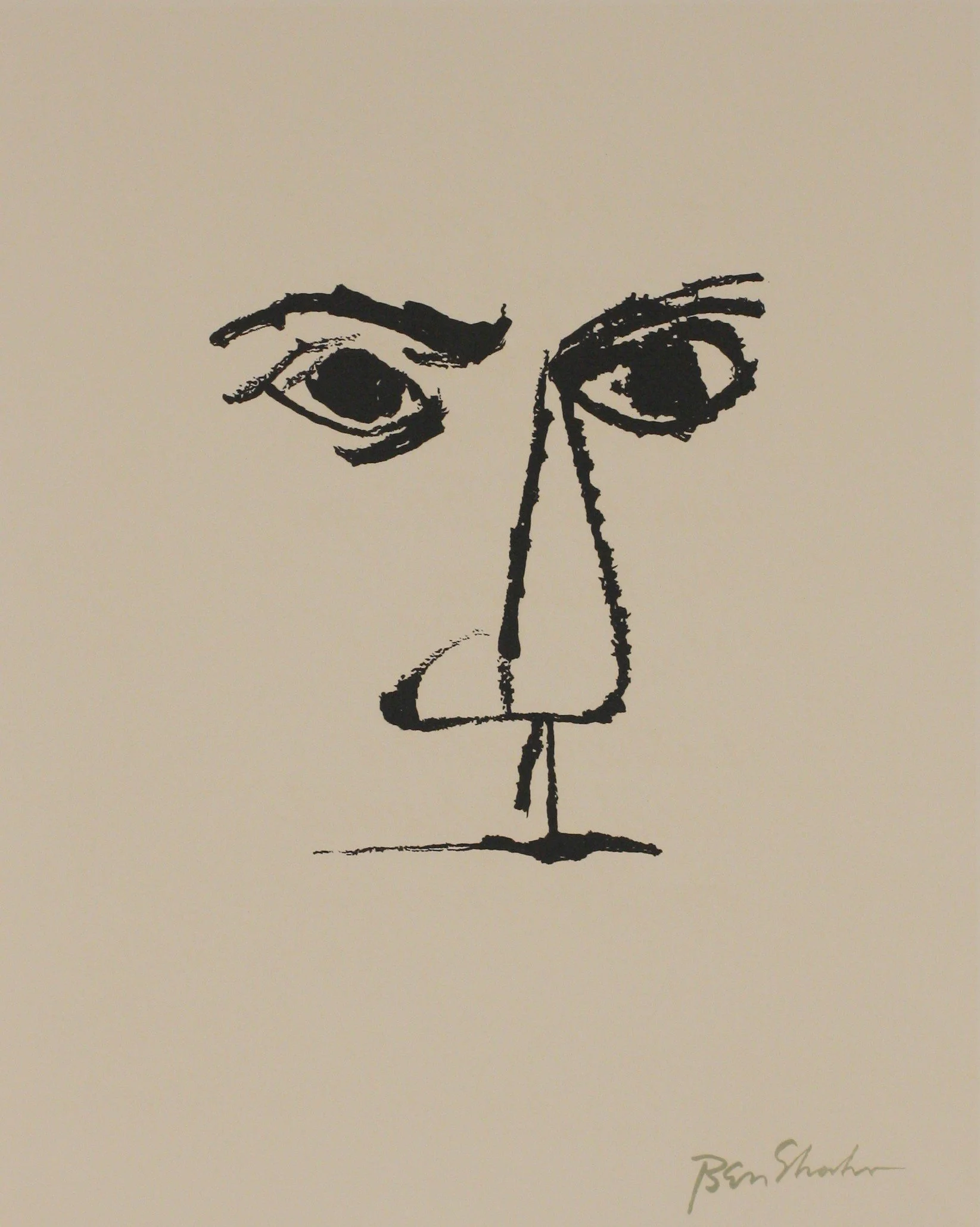
Frontpiece
Ben Shahn, 1968
-
![]()
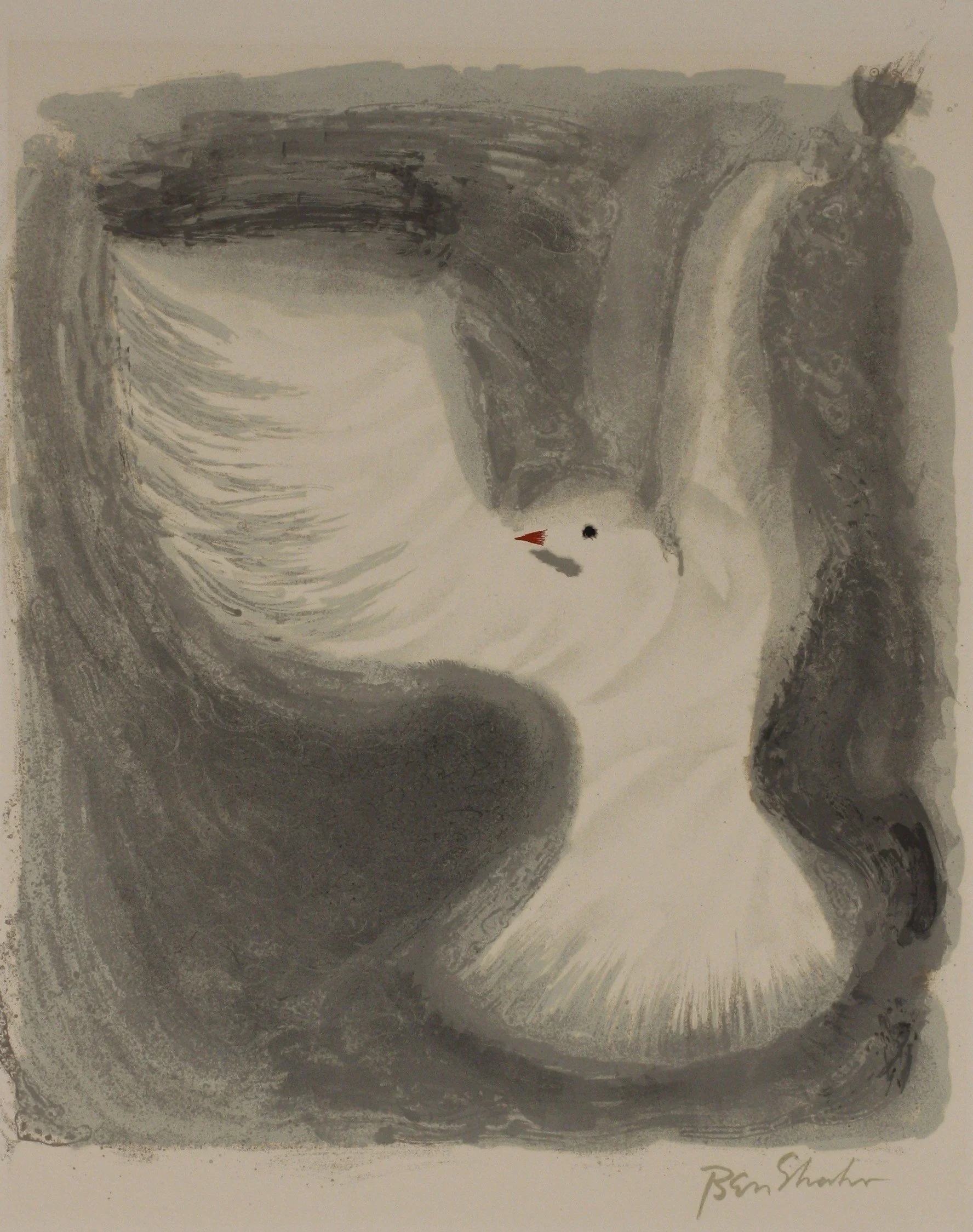
How the Birds Fly
Ben Shahn, 1968
-
![]()
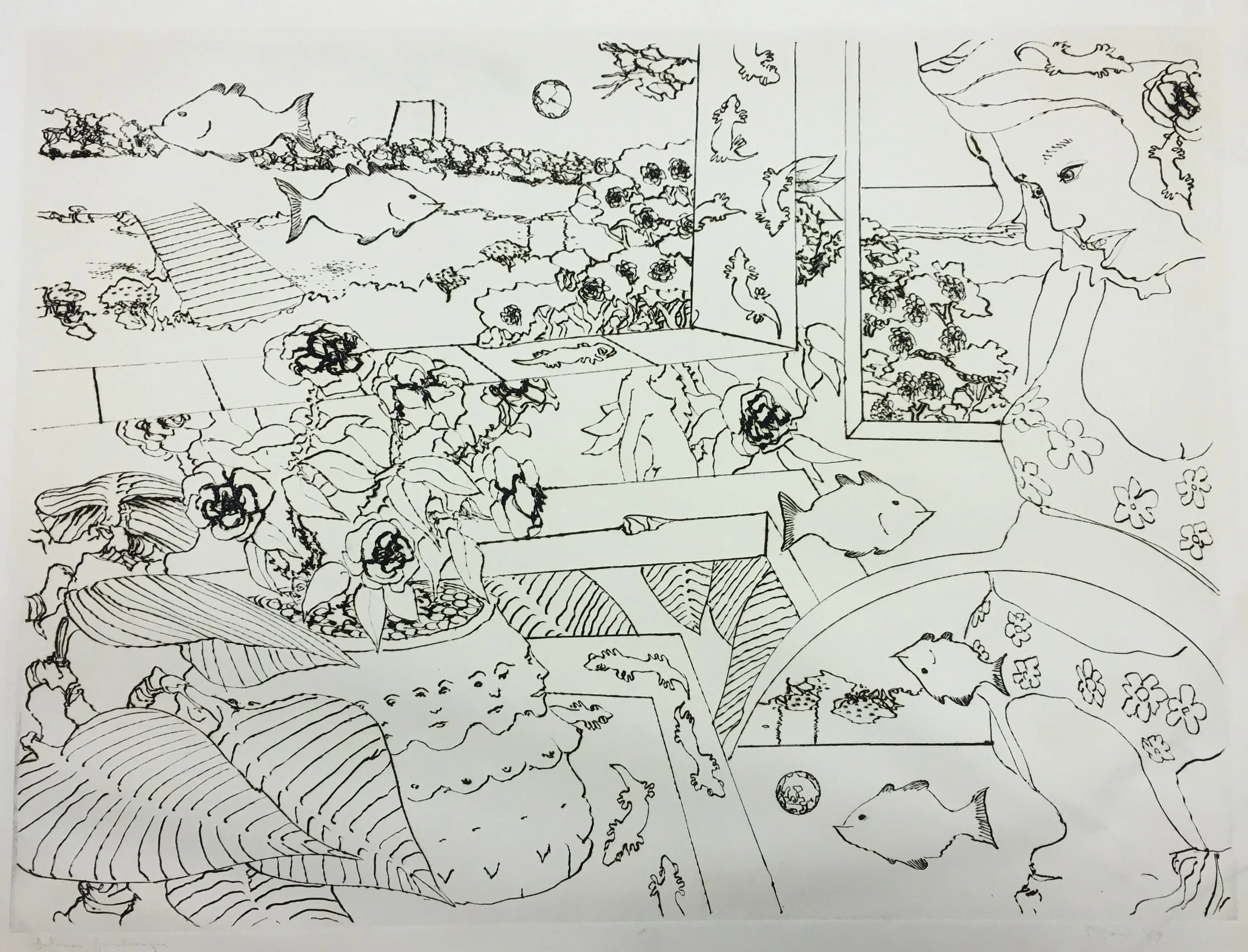
Interior Landscape
Peter Jones, 1969
Born September 21, 1890 in North Eastern Duplin County North Carolina, Rachel Maxwell Moore had a passion for art and ensuring that art was accessible to the the residents of Greenville and beyond.Serving as President of the Woman’s Club of Greenville for 16 years, she played a critical role in the growth of the club and the clubs acquisition of its first headquarters.During Moore’s tenure as president of the Woman’s Club of Greenville, as a way of “Fostering the arts in the community” she alongside club members held a Community Art Festival in 1935. The festival included paintings, dramatics, handcrafts, flower arrangements and literary efforts such as poetry and short stories. The festival was held for 2 days and was such a success that it was held again in 1936, this time as a 4 day event staged by Moore and several committees she was a member of. This art festival featured exhibits, lectures, entertainers and competitive games for adults and school children. The 1935 and 1936 art festivals were monumental successes and served as stepping stones for the 1937 Community Art’ Festival with attendance numbers that dwarfed the festivals held years prior. Hosting an exhibit of 65 paintings, it was the largest ever shown in Eastern North Carolina at the time. The fair attracted many local artists and shops, some shops even arranged for special art exhibits to be held in their stores display windows.The success of the Community Art’s Festivals showed to Moore that there was an audience for art in Greenville, this alongside encouragement from club and community members drove Moore to establish a permanent hub for art in Greenville. In 1939 Moore, through help from the WPA/FAP opened the Federal(WPA) Art Gallery on Fifth and Cotanche Street. The Works Progress Administration’s Federal Art Project (WPA/FAP) was a depression era initiative by FDR’s Administration that ran from August 19, 1935 until June 30, 1943. The WPA’s mission was to commision unemployed artists as a way of providing economic relief. During the Great Depression over 10,000 artists were employed by the WPA, some were tasked with making art to decorate federal buildings while others were commissioned to make art that would be used in local Federal(WPA) Art Galleries, as a way of making art accessible to the public. After establishing the Federal(WPA) Art Gallery in Greenville Moore would serve as the director for 18 years. The Federal(WPA) Art Gallery in Greenville would go on to be moved to 802 South Evans Street and be renamed to the Greenville Art Center and was later renamed again, this time to the Greenville Museum of Art in 1981.Moore’s dedication to uplifting the people of Greenville is best seen in her extensive record of public service. She served as the Vice-President and director of the Pitt County chapter of the American Red Cross and member of the local Executive Board of Directors of the Salvation Army. Moore also served as a consultant for community leaders and local officials, mainly consulting them on public affairs. Moore also used the experience of being the President of the Woman’s Club of Greenville as well as her experience as a teacher to help her serve on multiple civic, educational and public affairs committees for 42 years.Rachel Maxwell Moore passed away from lung cancer on December 30, 1964 in Greenville North Carolina. Her legacy is honored by the Rachel Maxwell Moore Art Foundation (RMMAF). The RMMAF is a fund created by Moore and her constituents shortly before her passing with the expressed purpose of funding the acquisition of new art pieces for the Greenville Museum of Art. Shortly before Moore’s passing she wrote in her will that her home on 1600 East Fifth Street be sold and the profits in their entirety be put into the RMMAF.This gallery is named in her honor.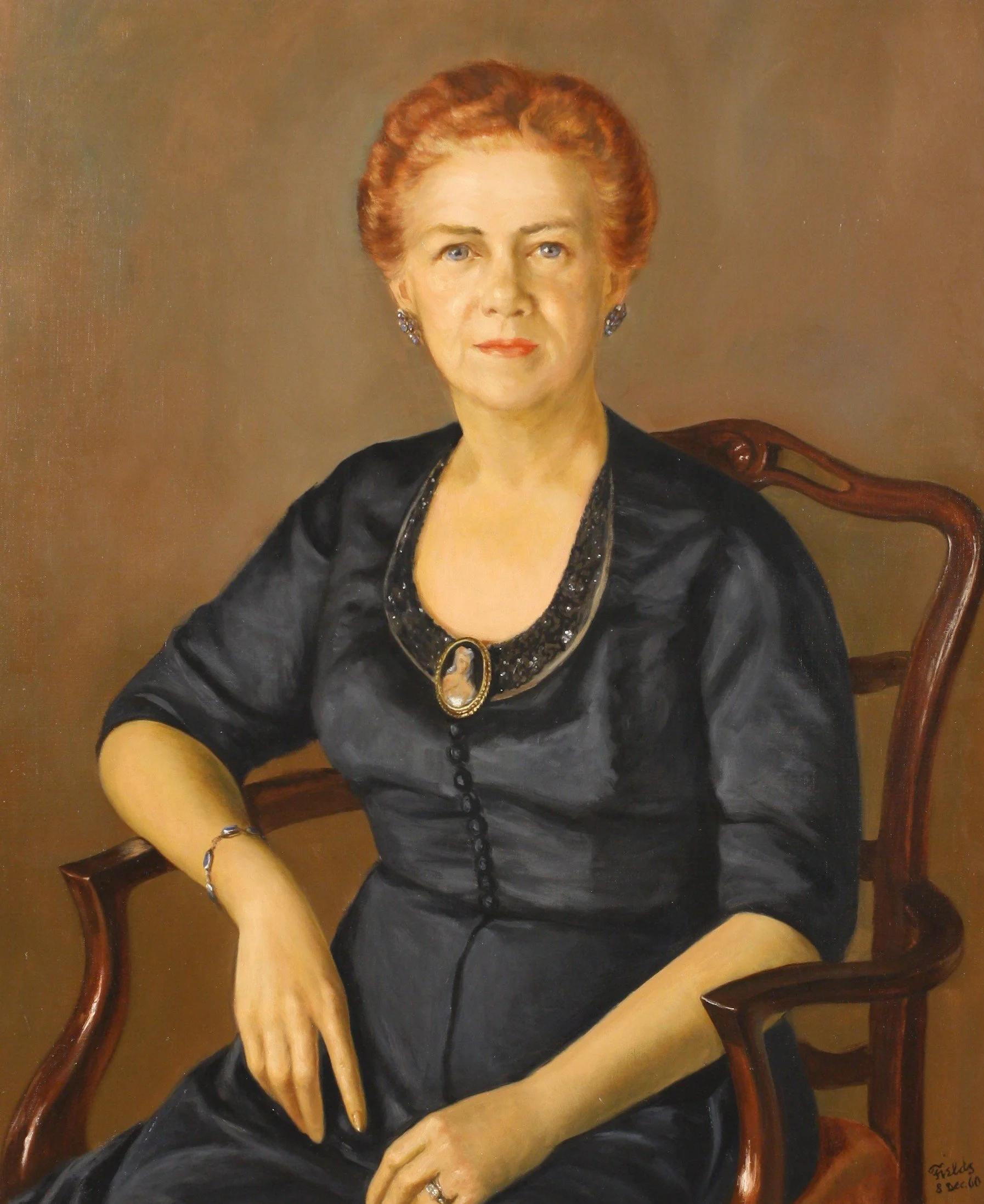
Portrait of Rachel Maxwell Moore
William Fields, 1960
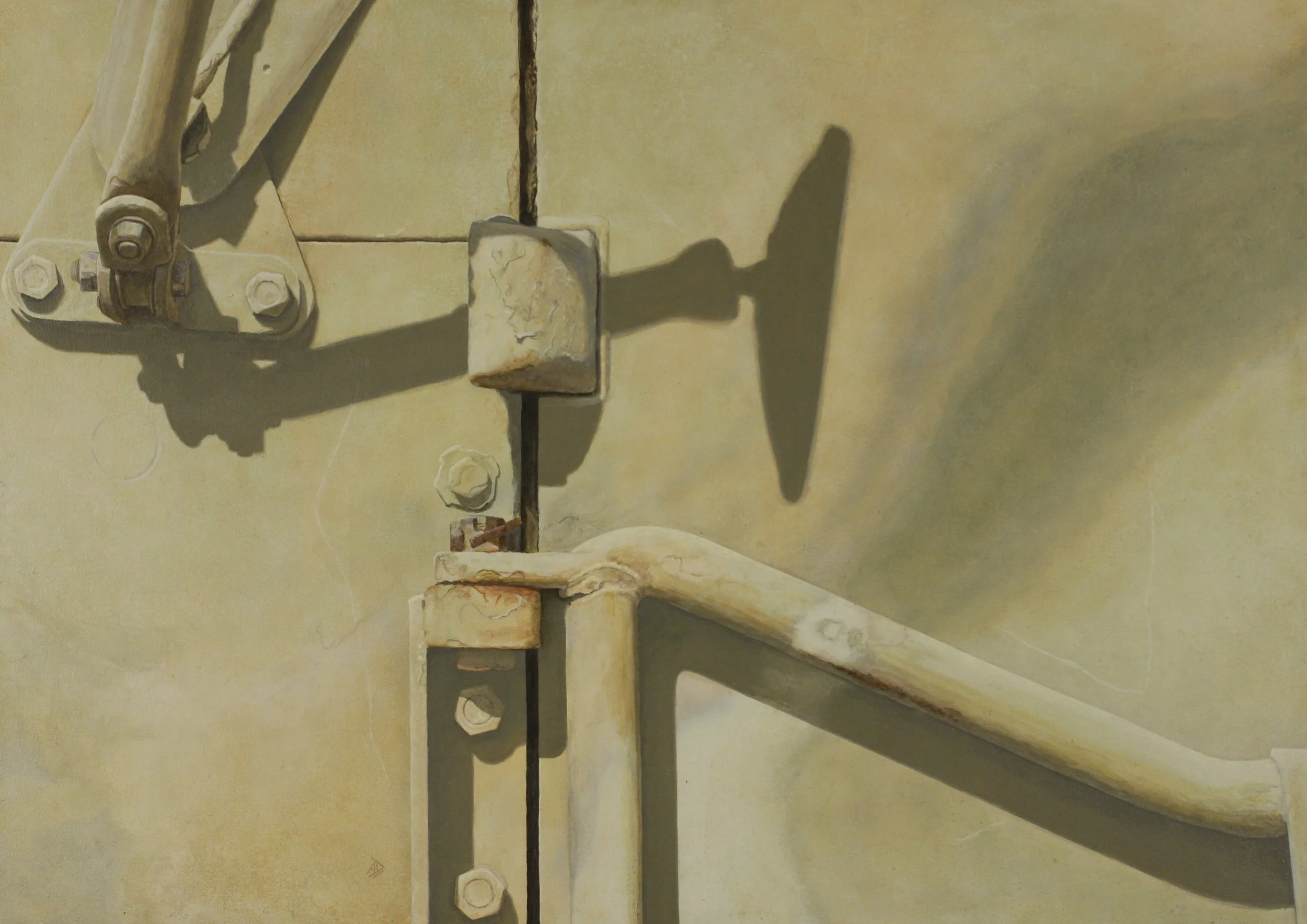
Army Truck by David Curtis
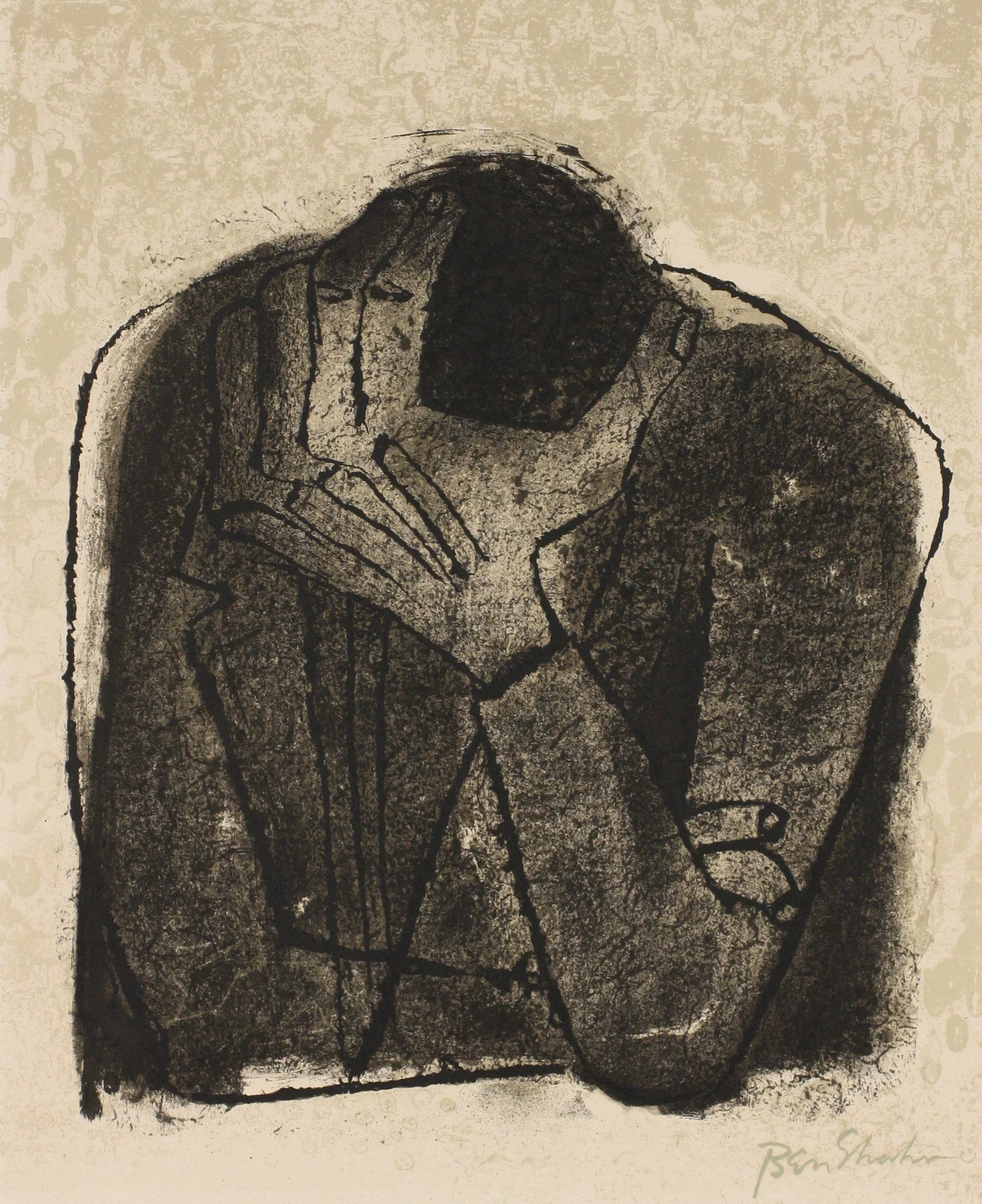
Beside the Dead by Ben Shahn, 1968
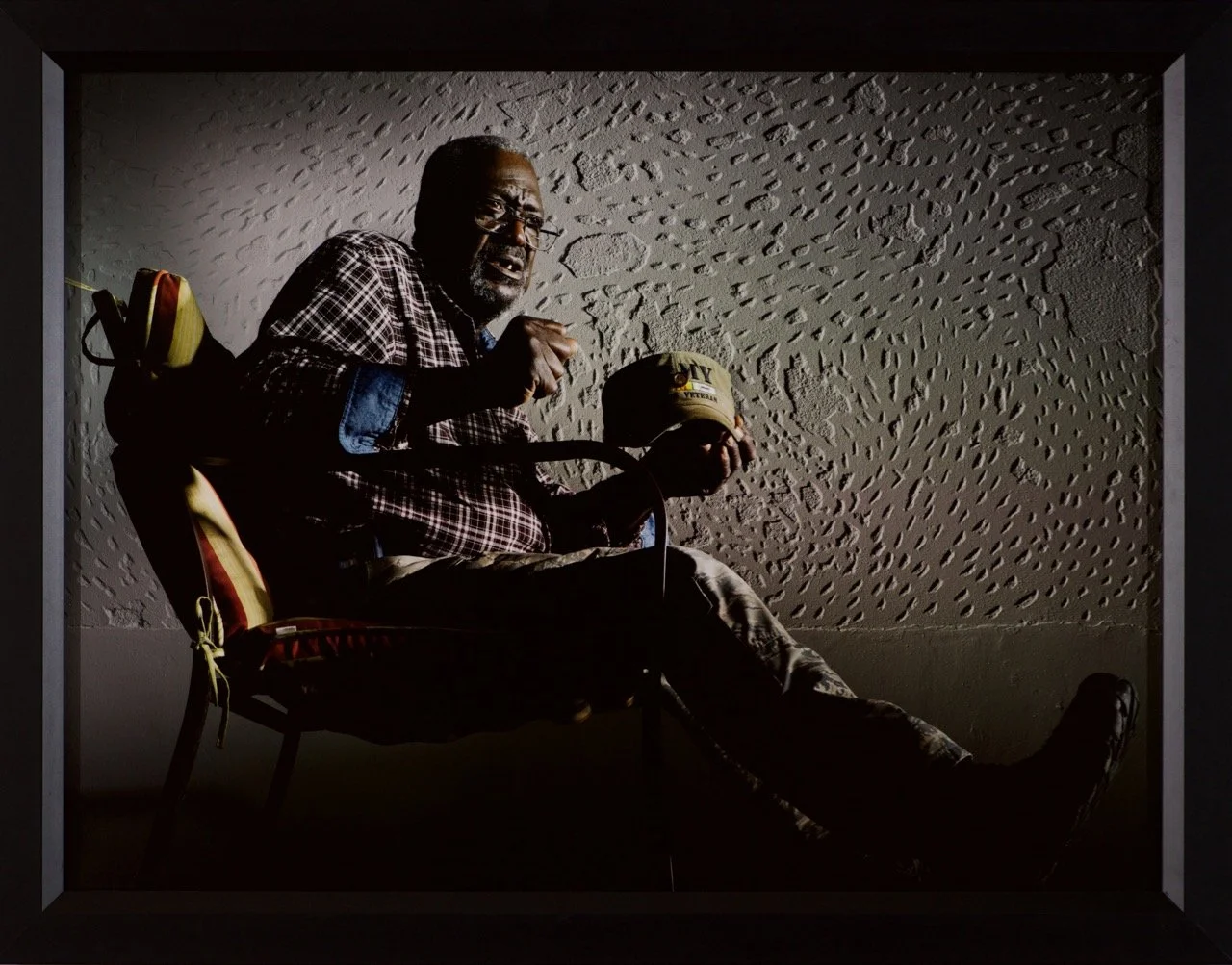
Buddy Gardner by Burk Uzzle, 2016
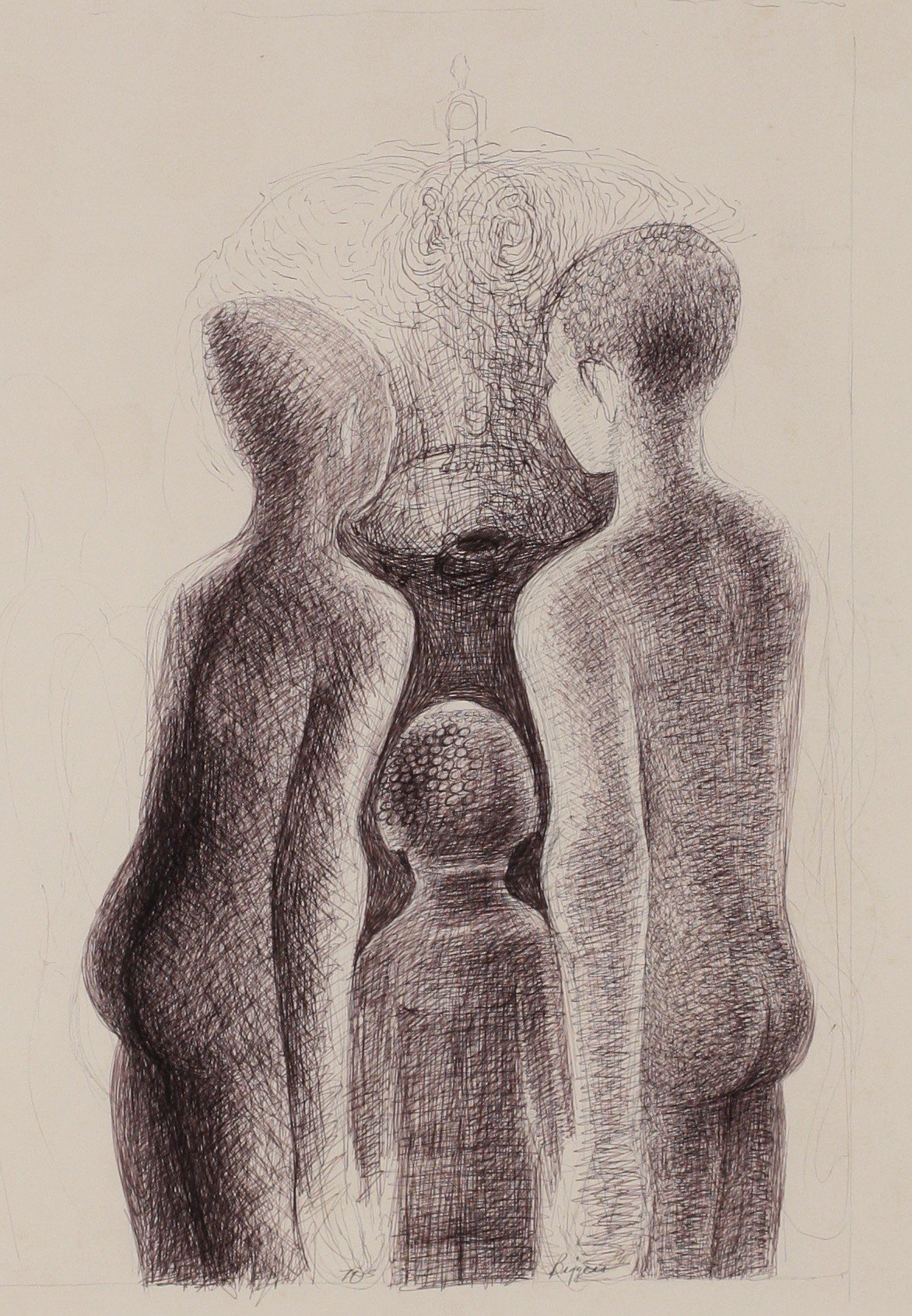
Family by John Biggers, Circa 1970's
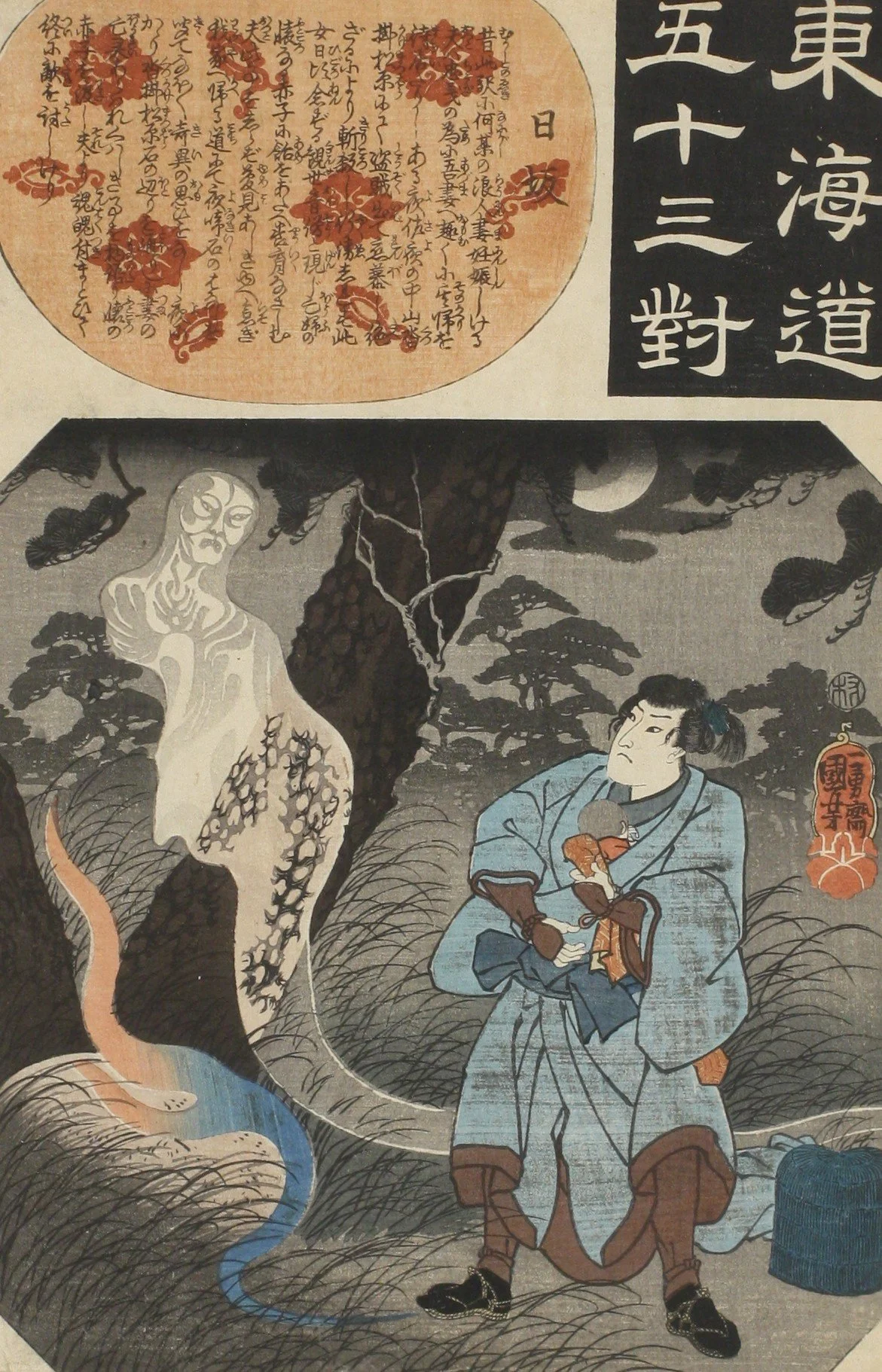
Genjukimo Ukiyoye Awase by Hiroshige Kuniyoshi
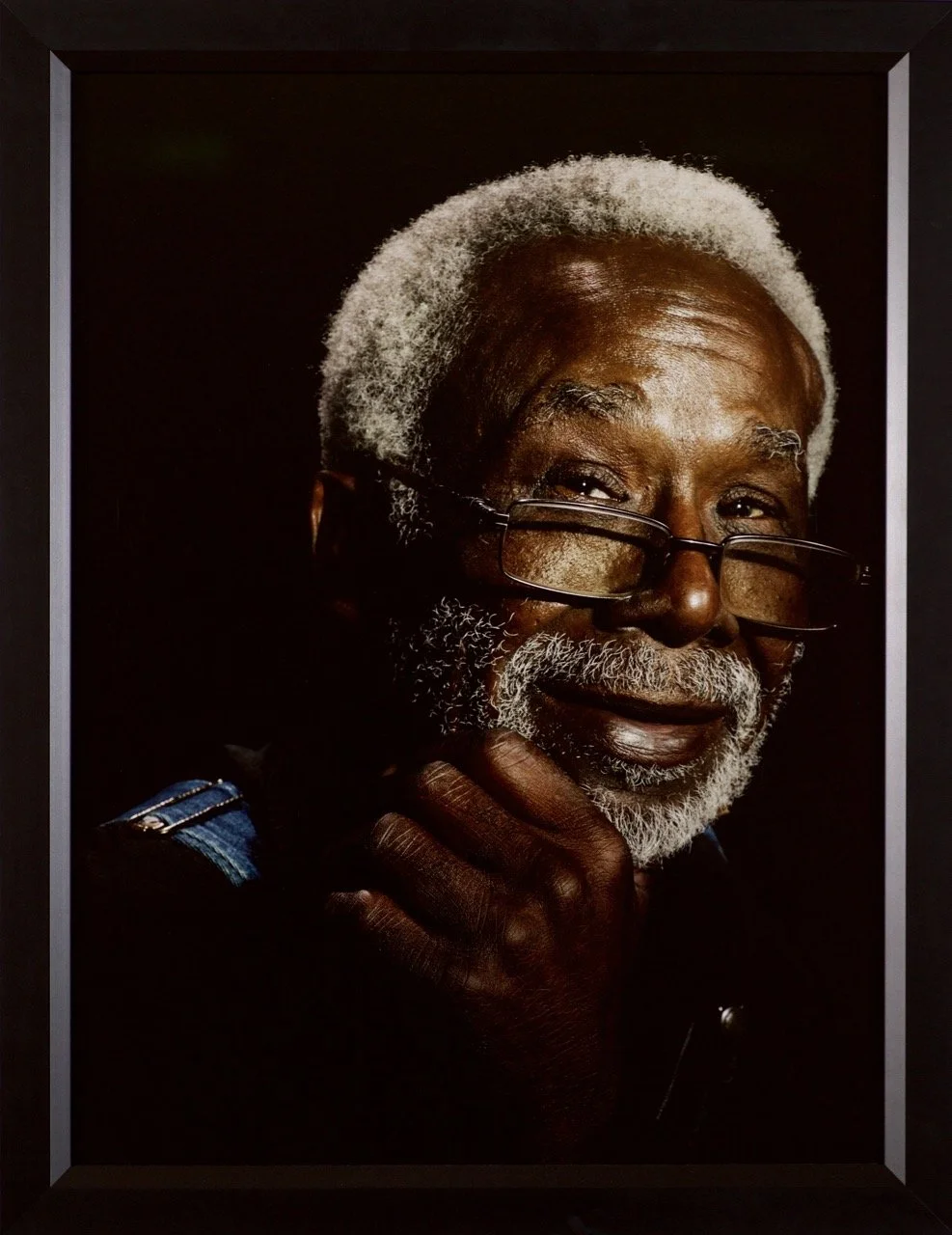
Hilton Monroe, Sr. by Burk Uzzle, 2016
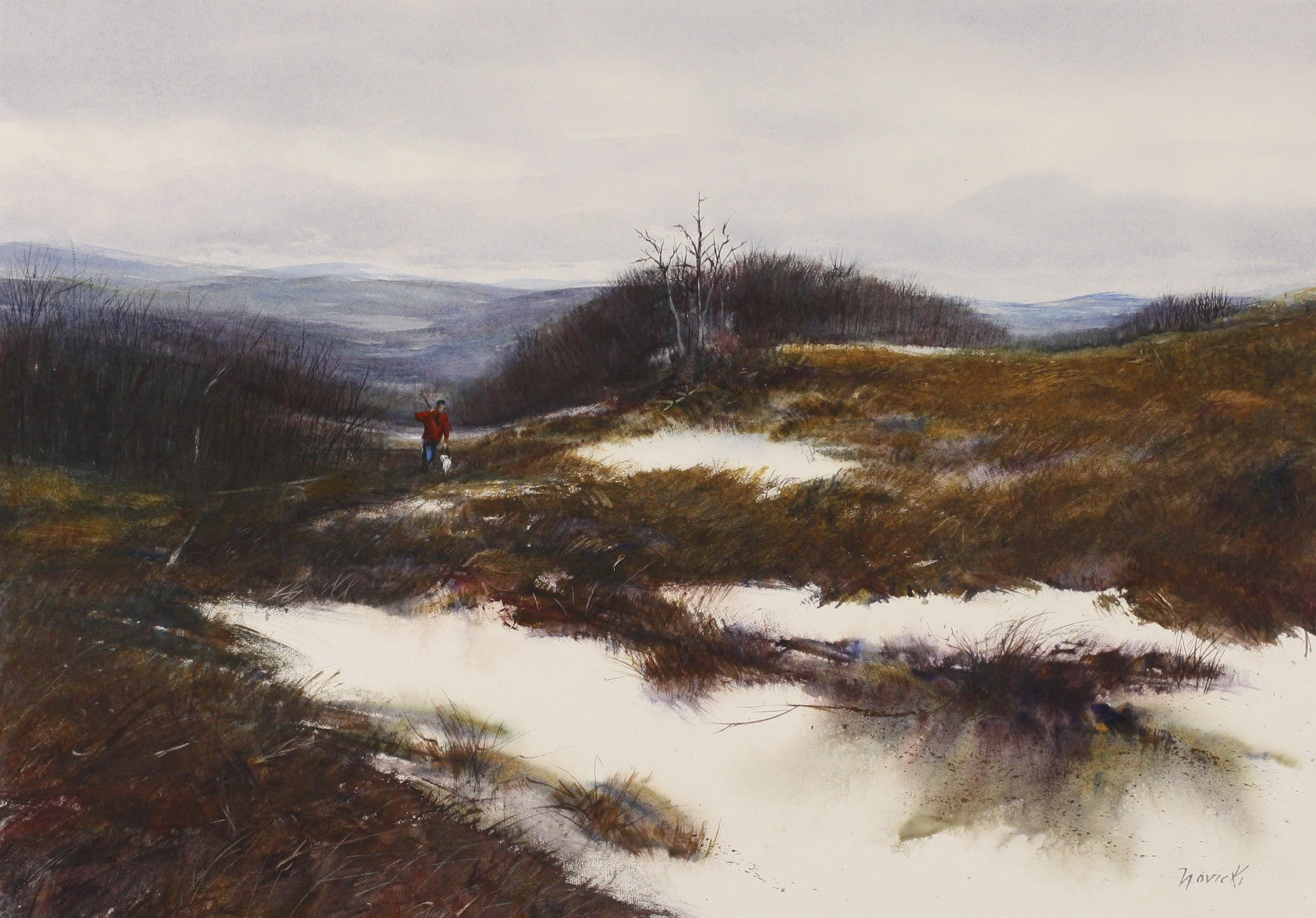
Homeward Bound III by Fred Novicki
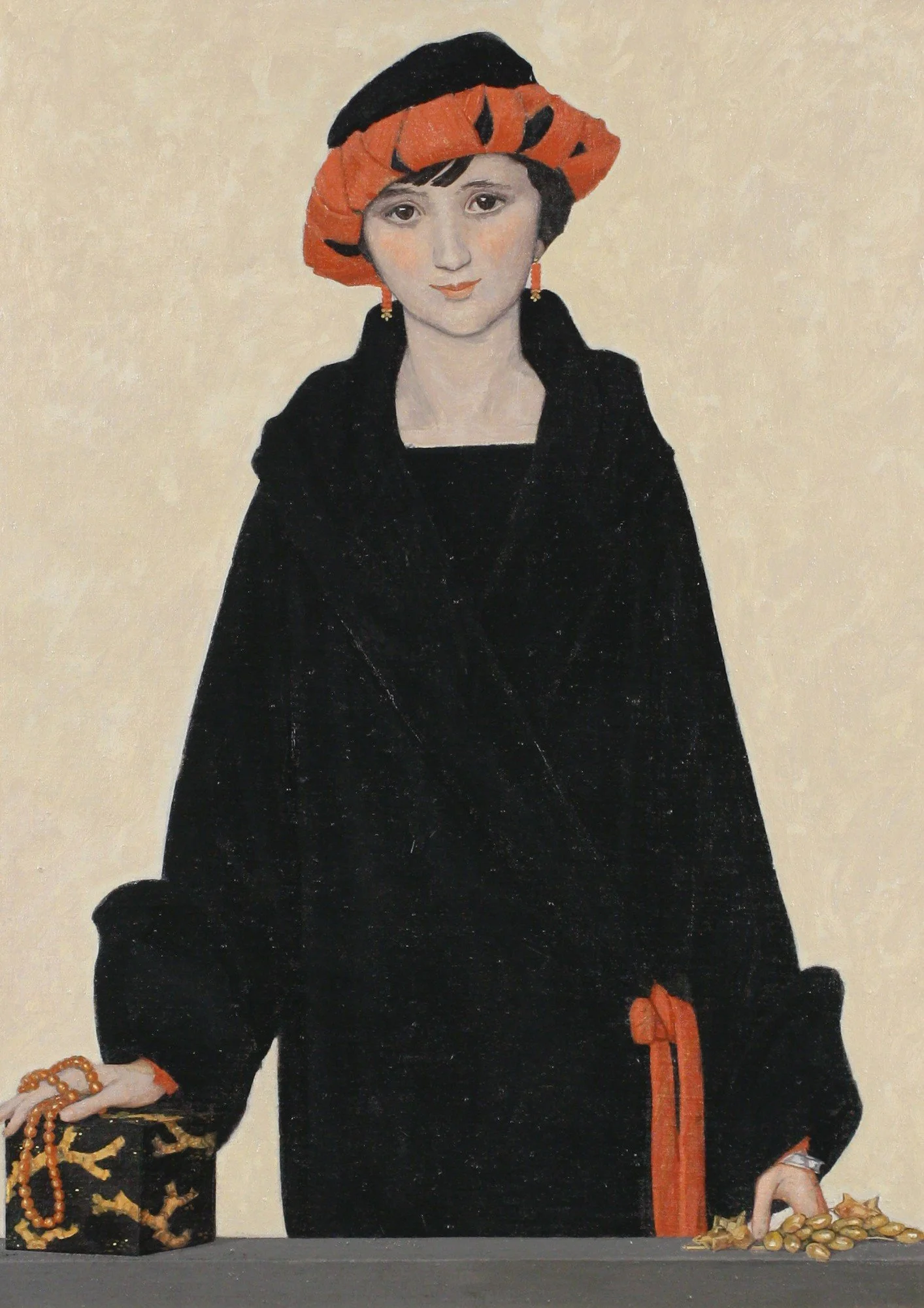
Lady in Coral and Black by Durr Freedley
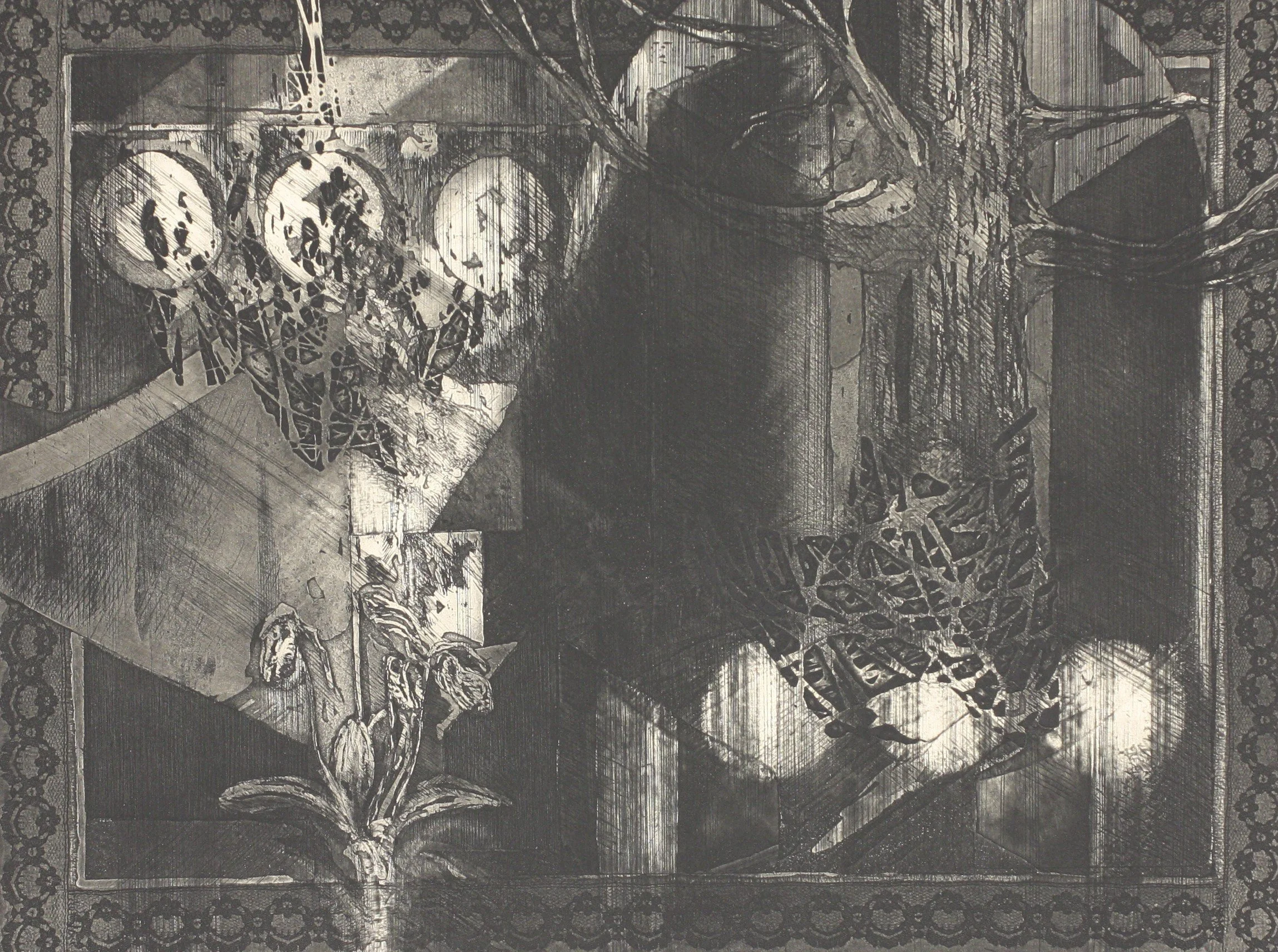
Landscape with Bridge by Michael Voors, 1980
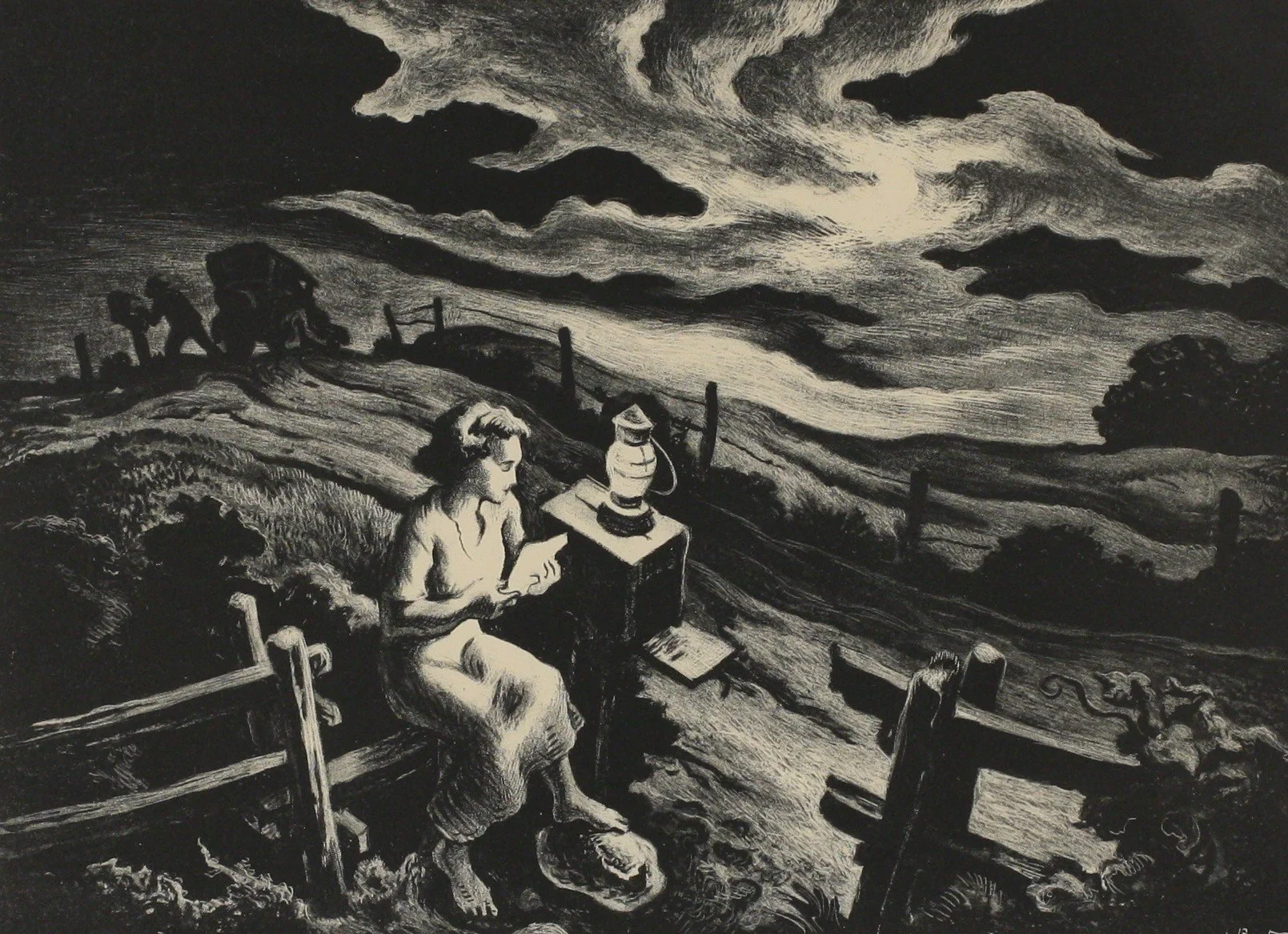
Letter from Overseas by Thomas Hart Benton, 1943
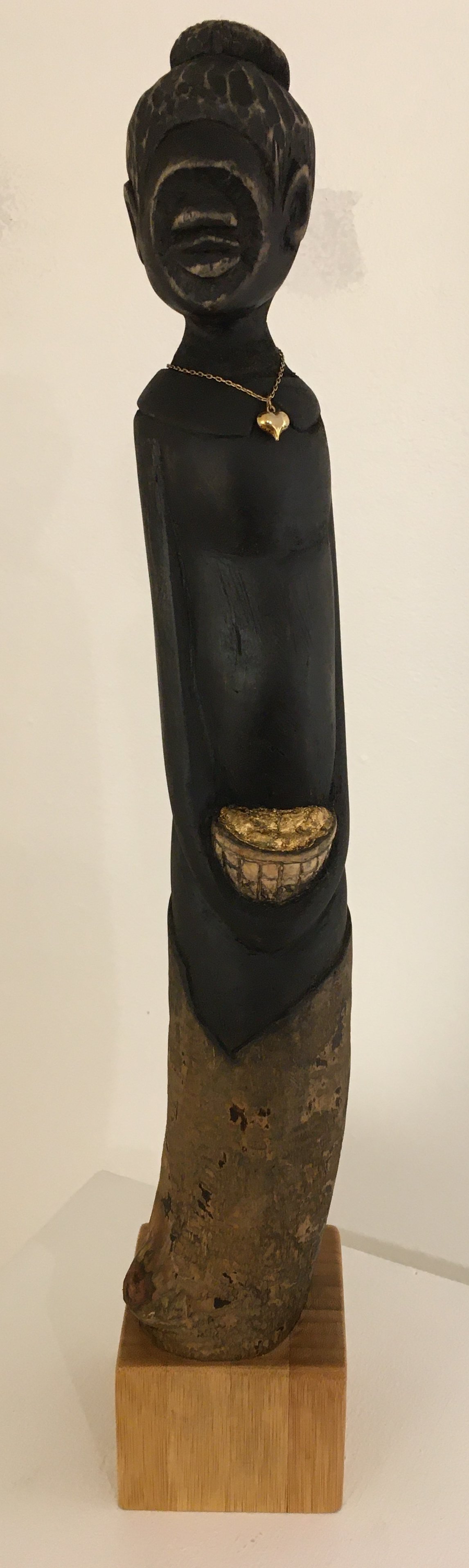
Manna by Alexis Joyner, 2019
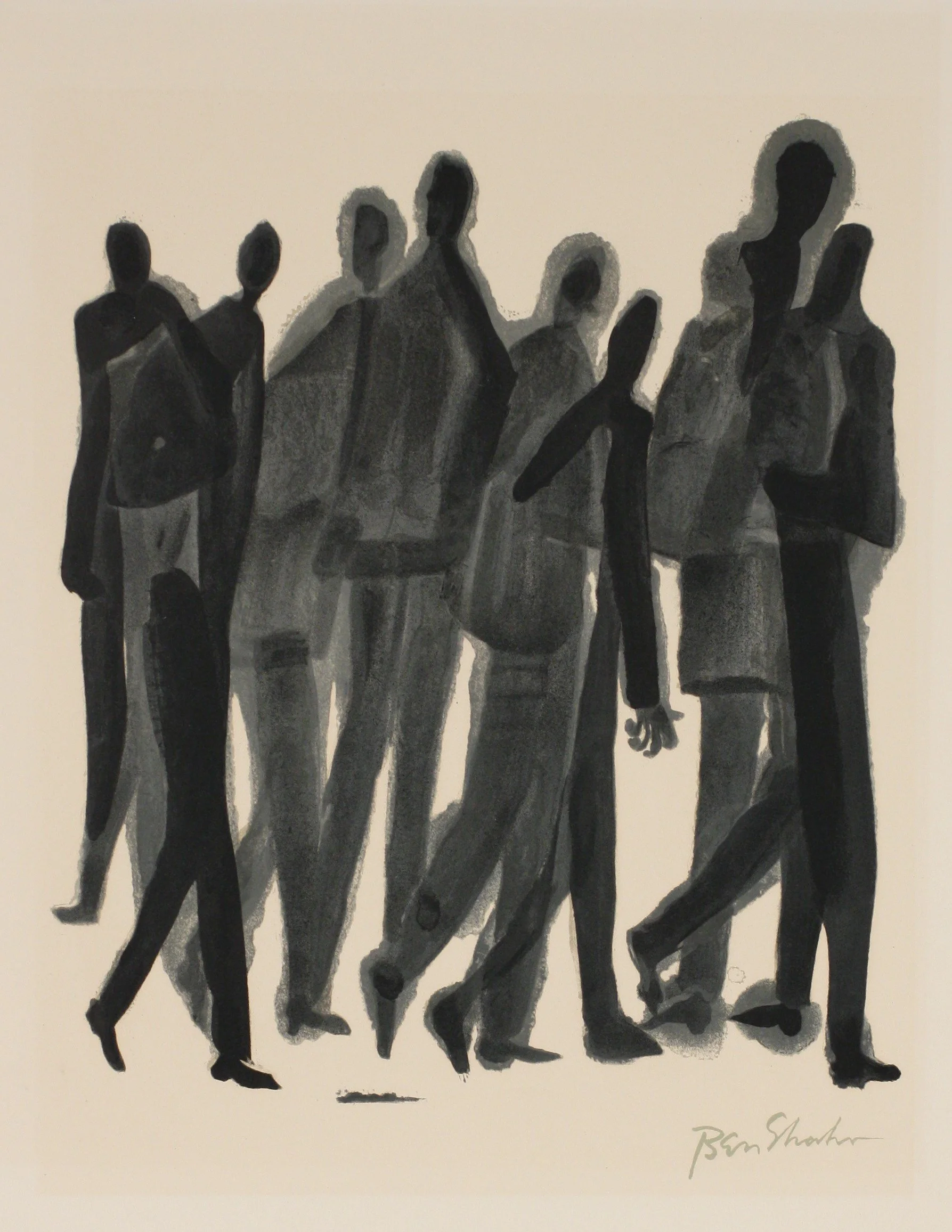
Many Men by Ben Shahn, 1968
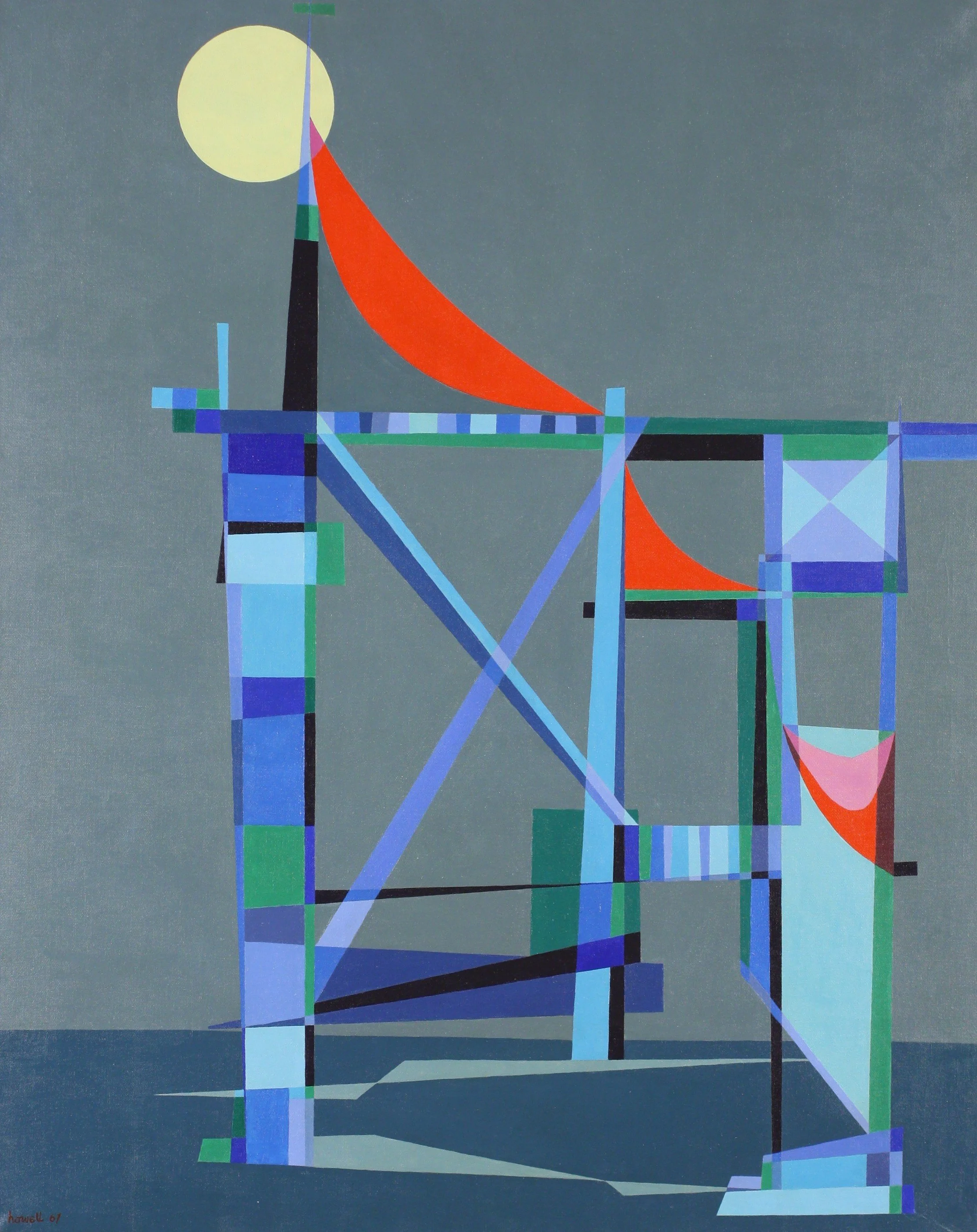
Moonlit Pier by Claude Howell, 1967
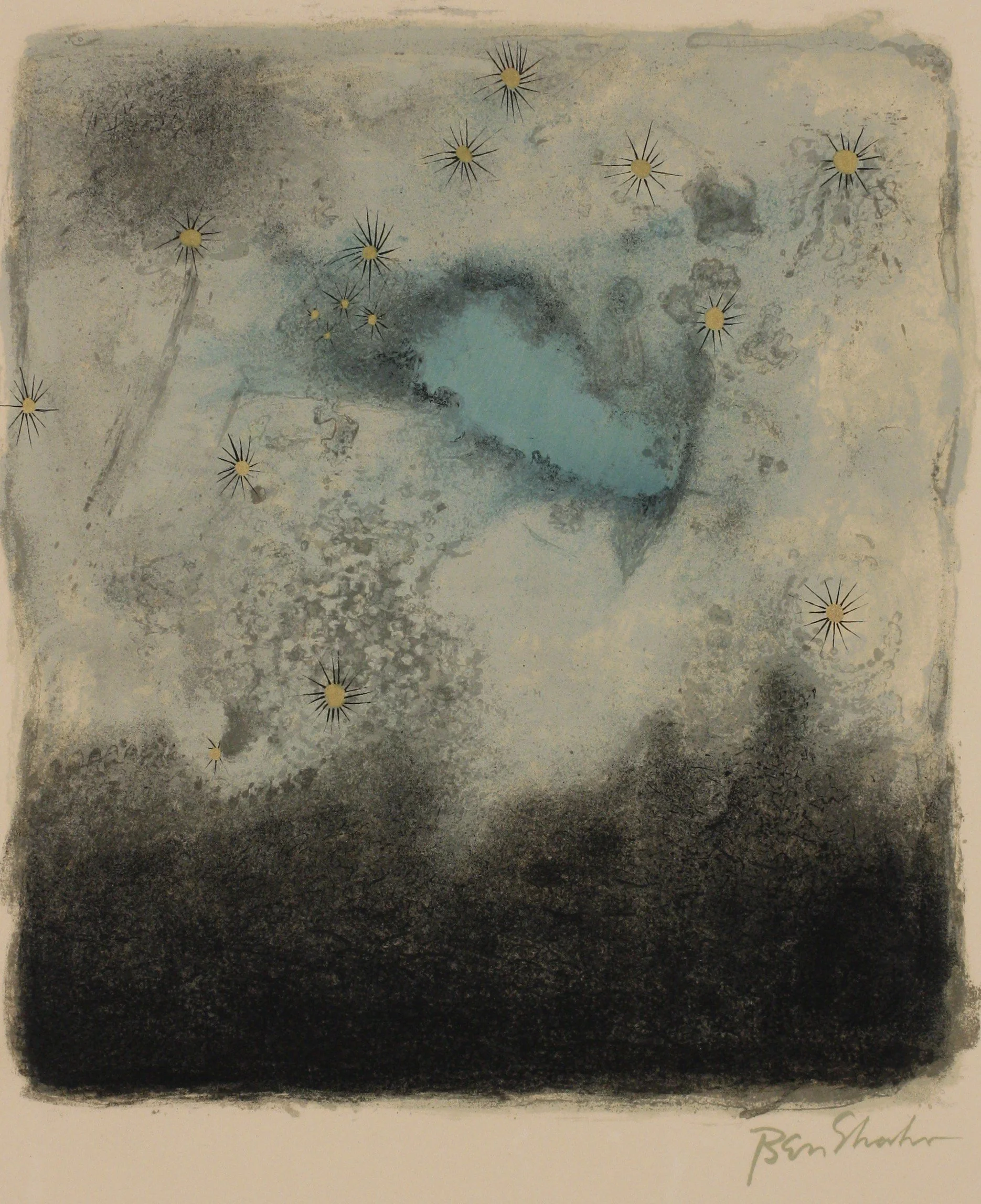
Nights of Travel That Flew With the Stars by Ben Shahn
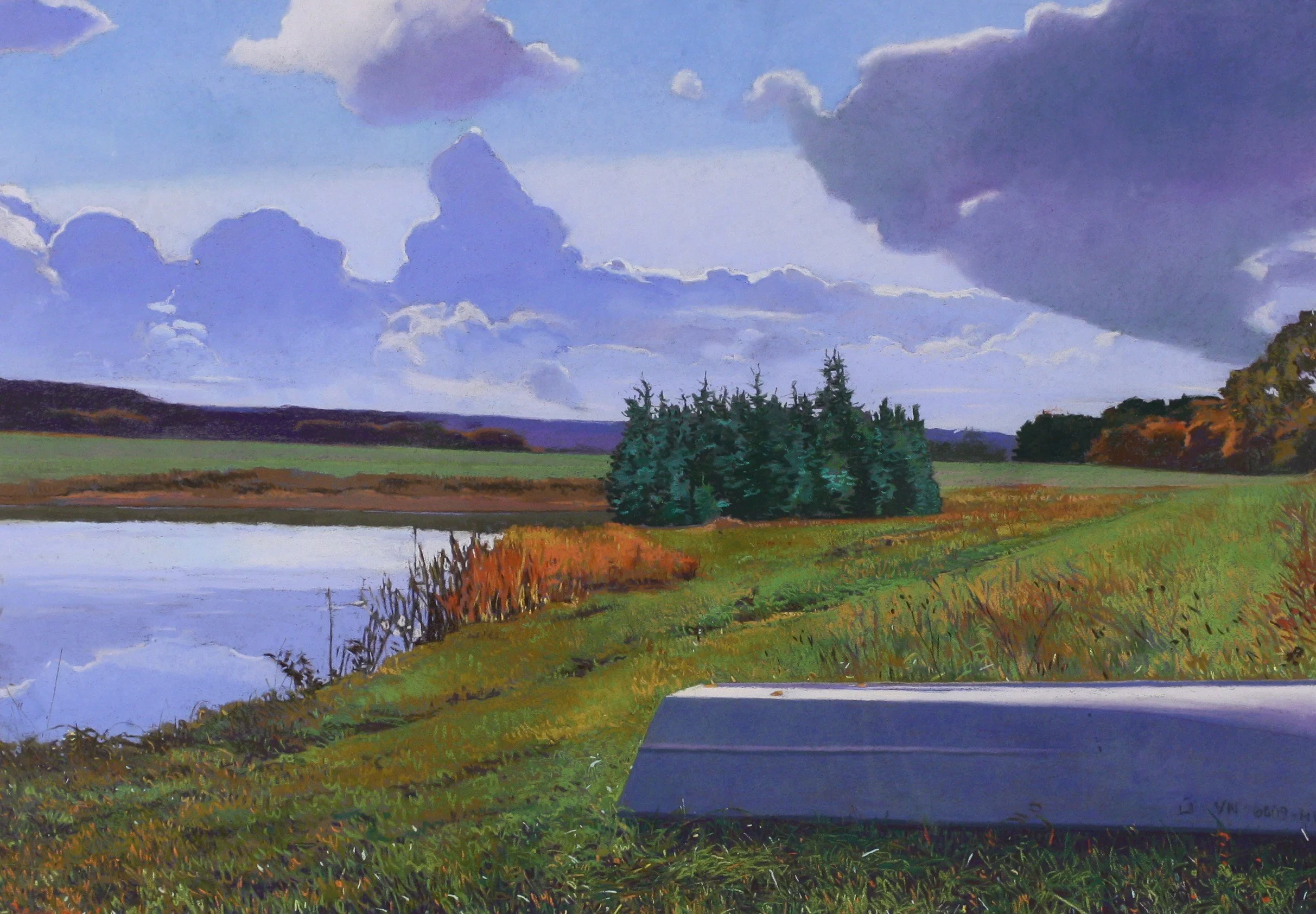
Noonday Autumn by Charles Basham, 1989
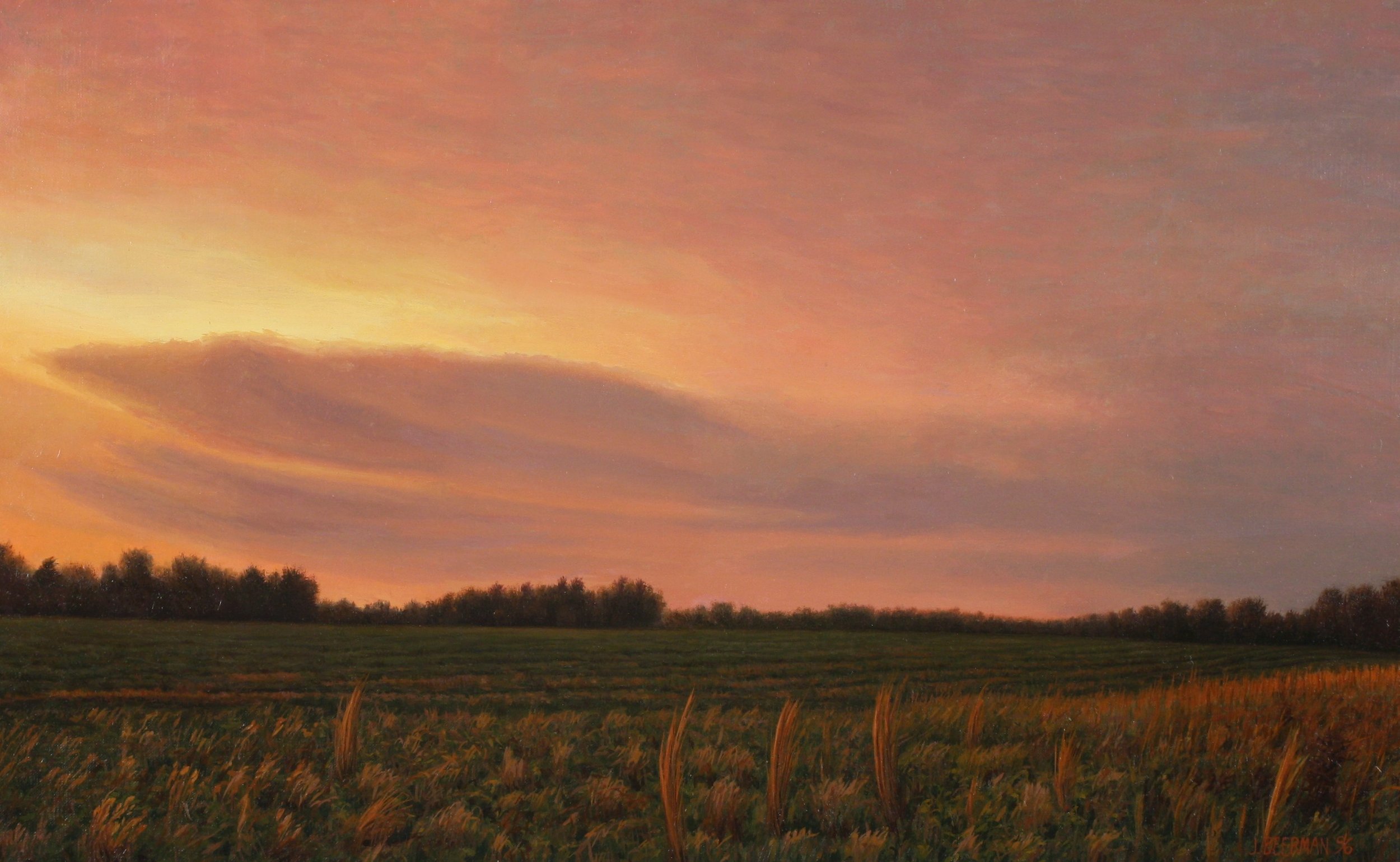
November, Alamance County by John Beerman, 1996
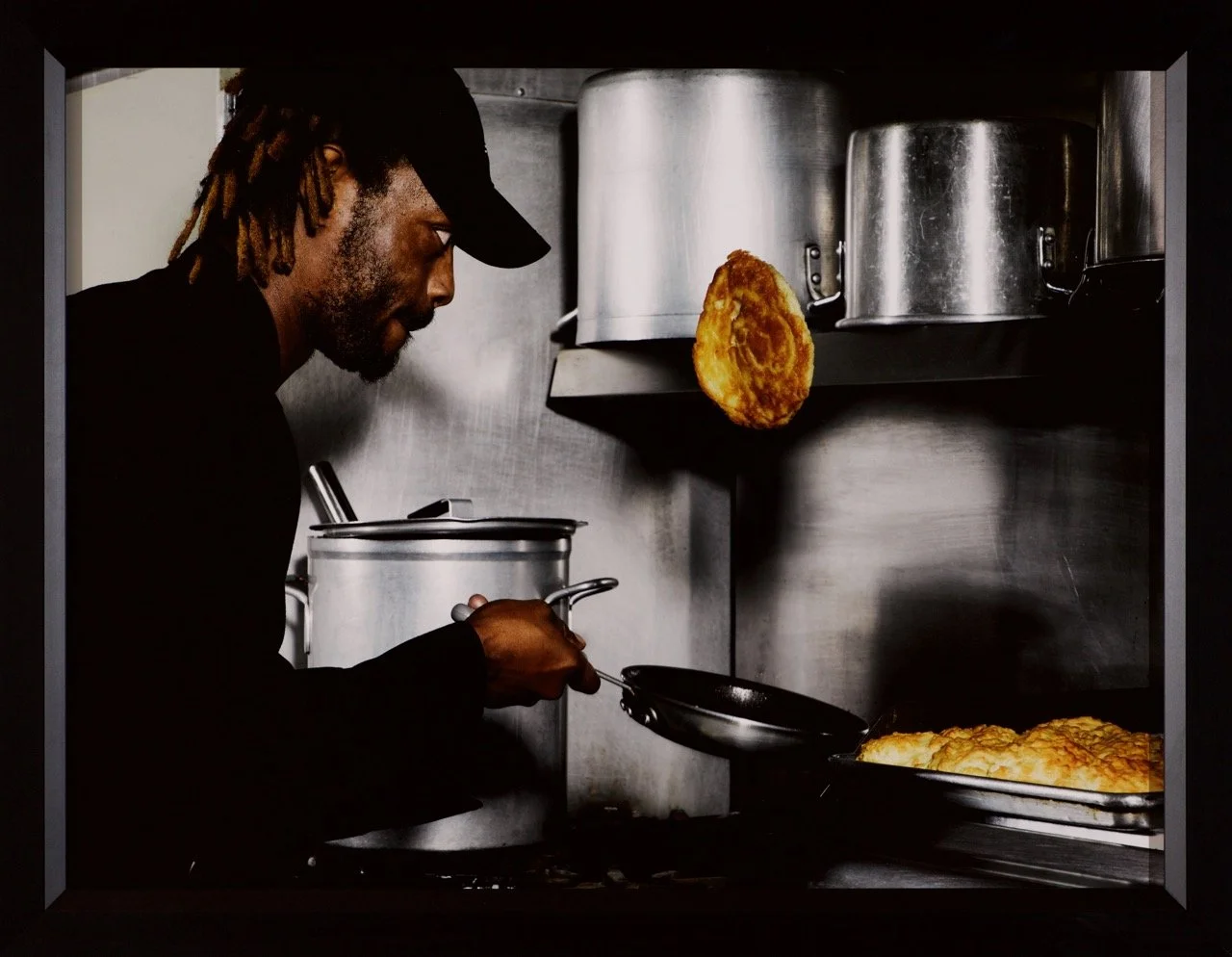
Octavious Tyson by Burk Uzzle, 2016
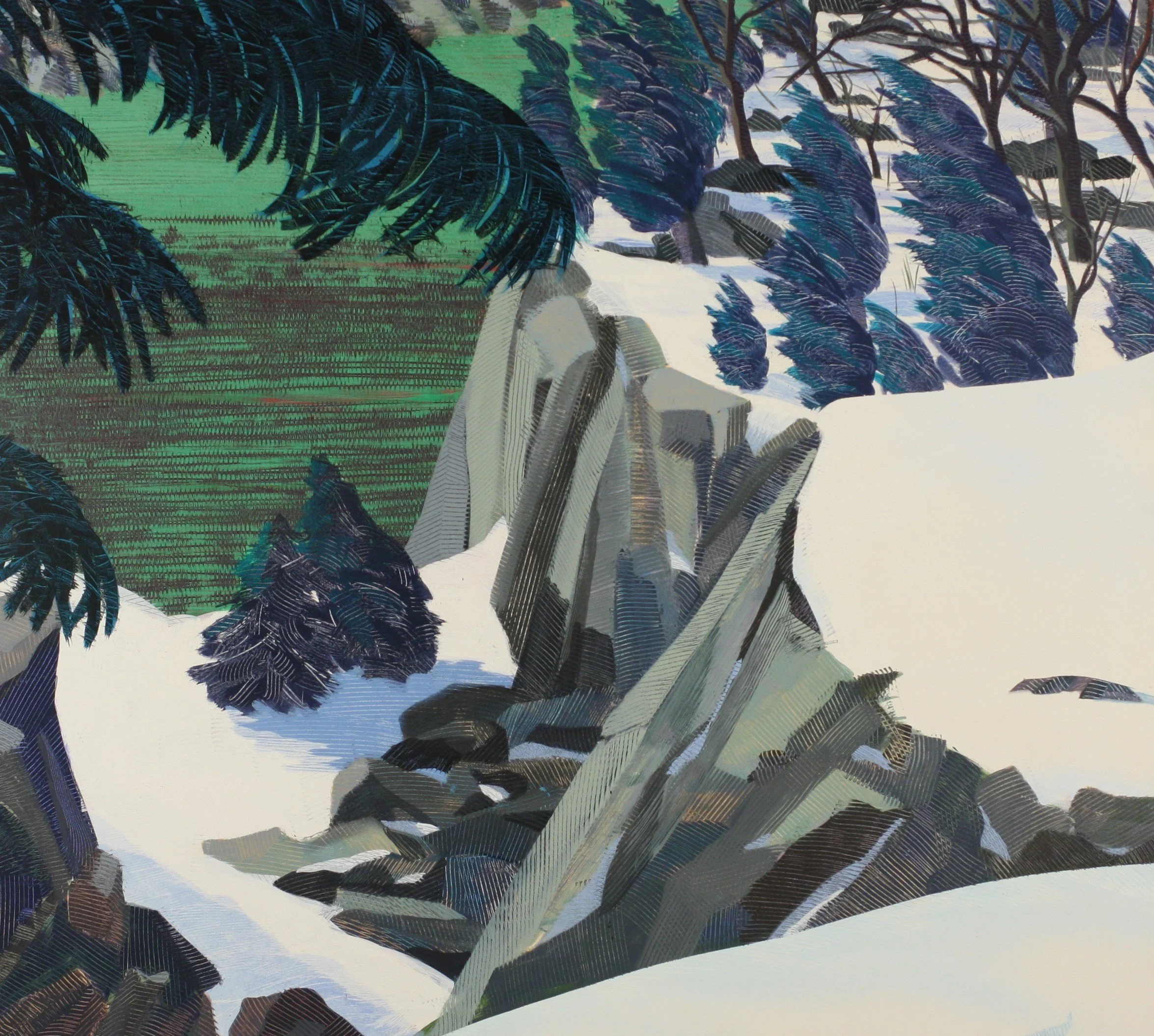
Past Saalbach by Maude Gatewood, 1991
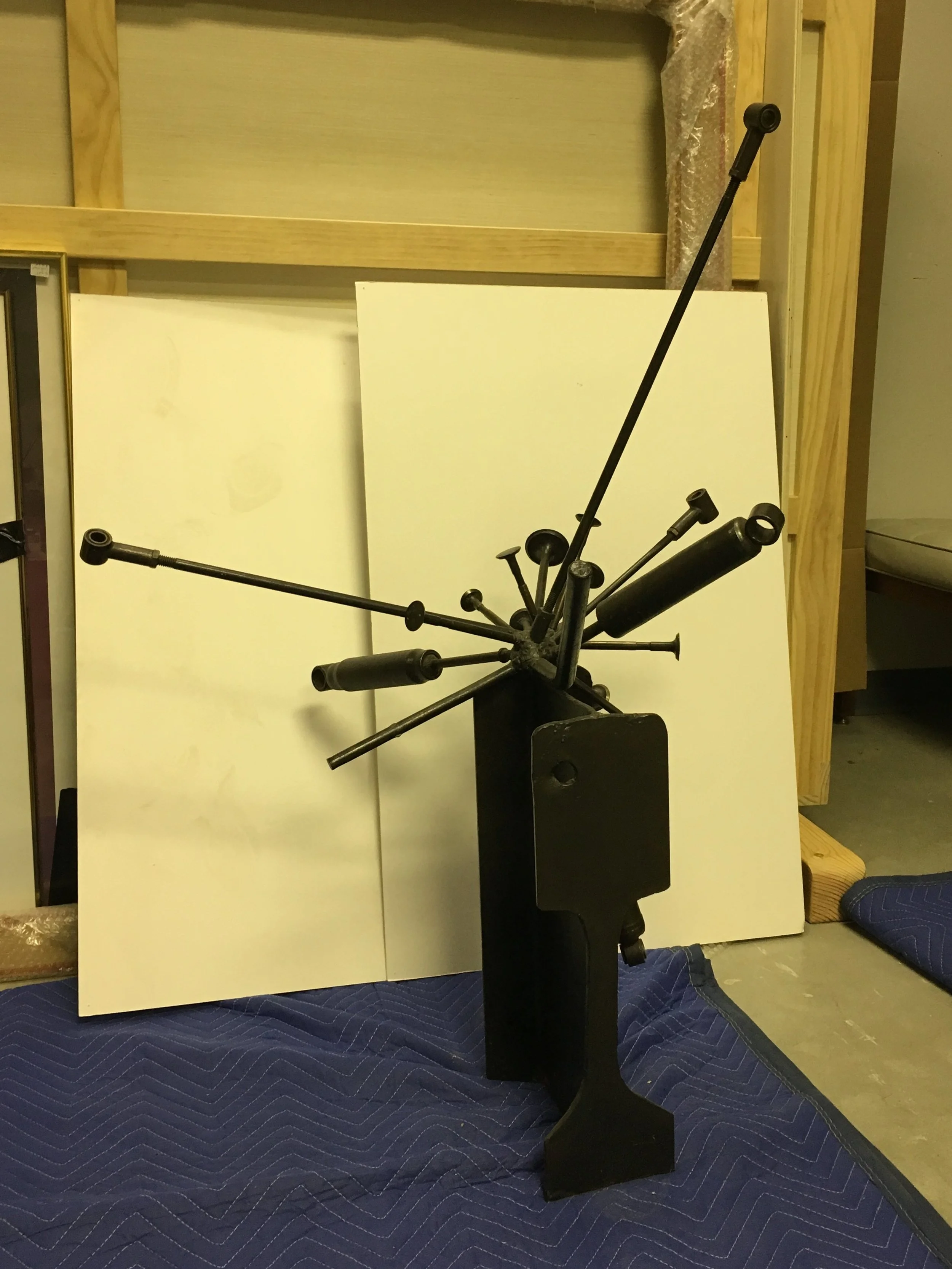
Podburst by William H. Holley
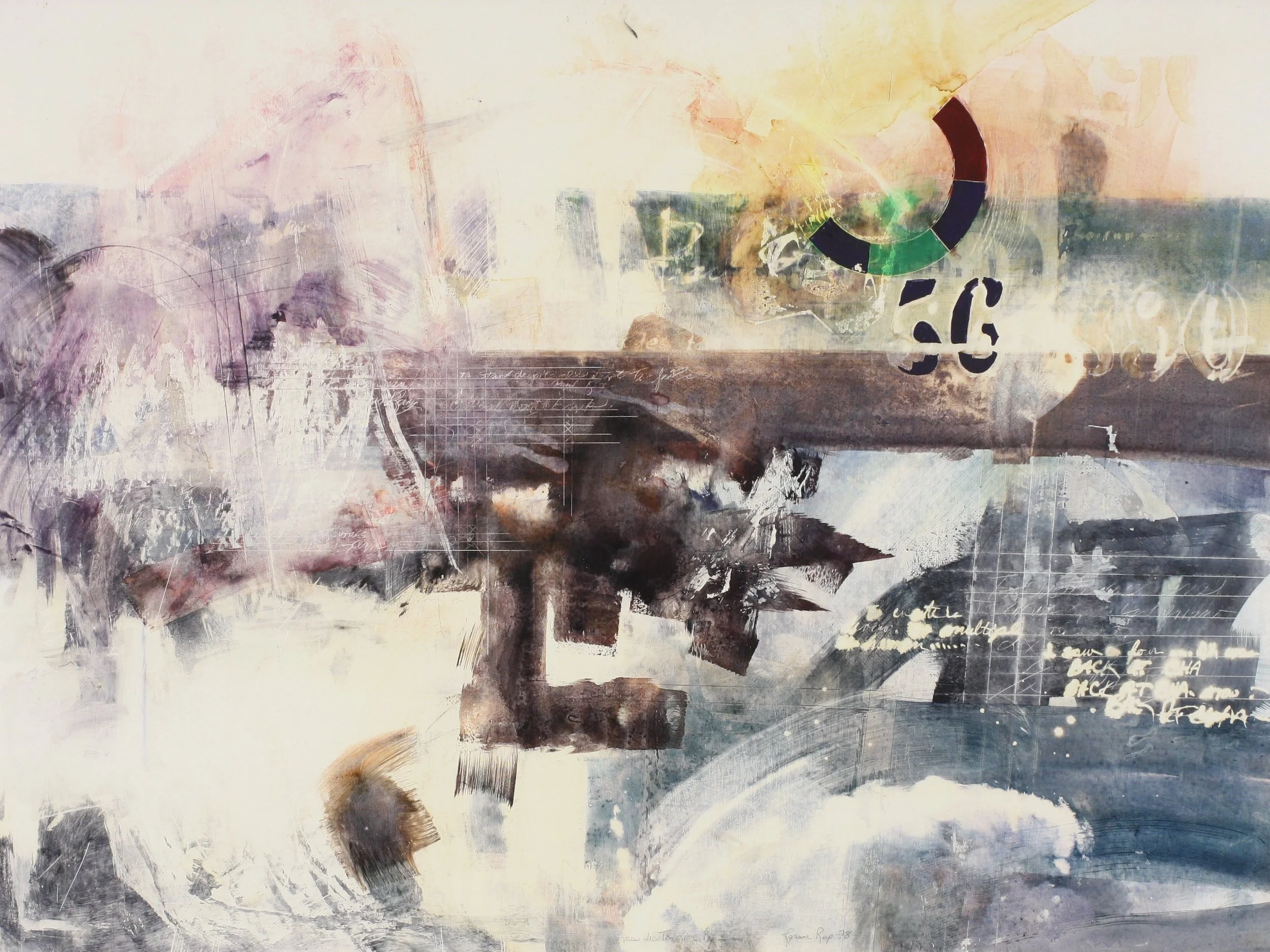
Roses are to Live By by Roxanne Reep, 1978
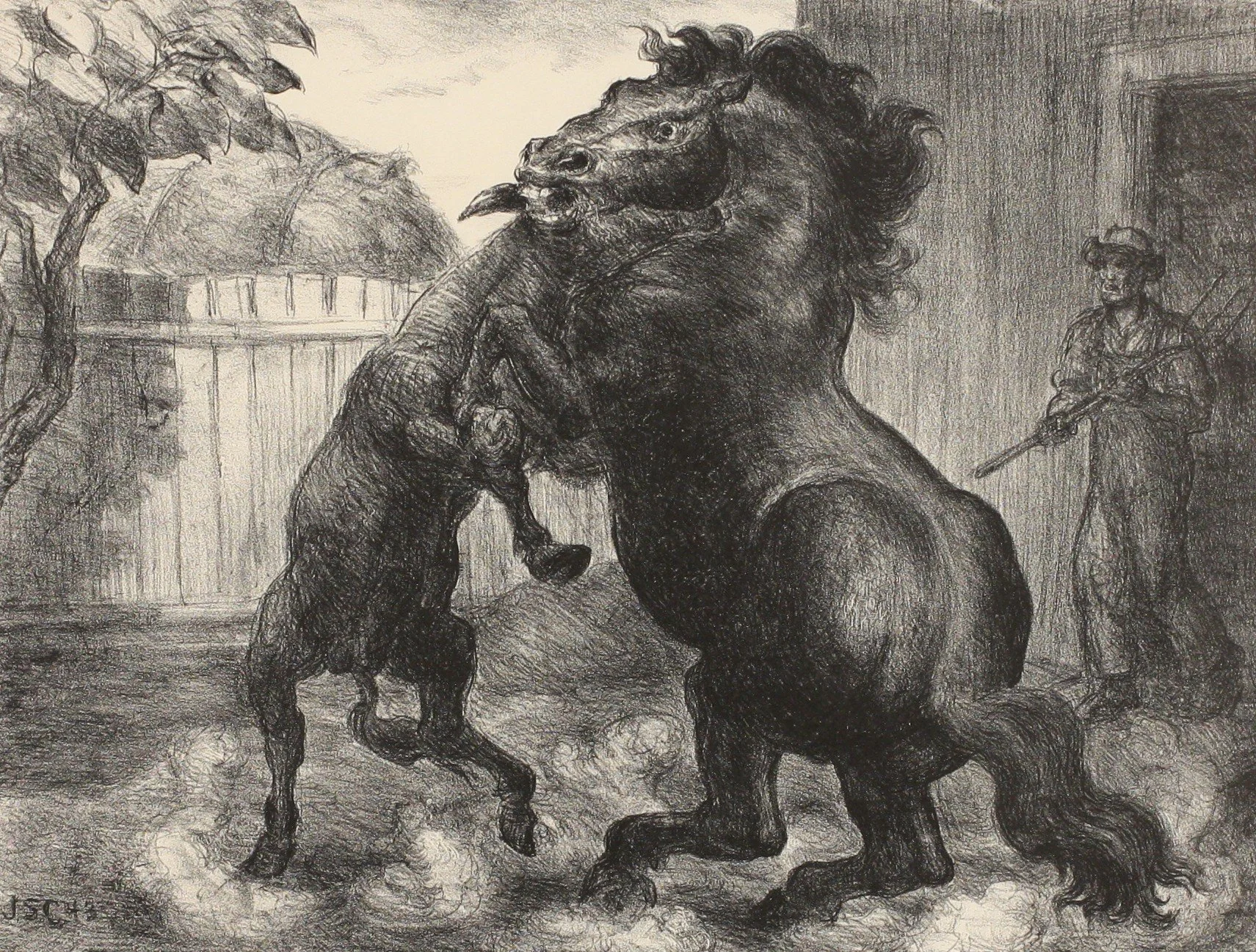
Stallion and Jack Fighting by John Steuart Curry, 1943
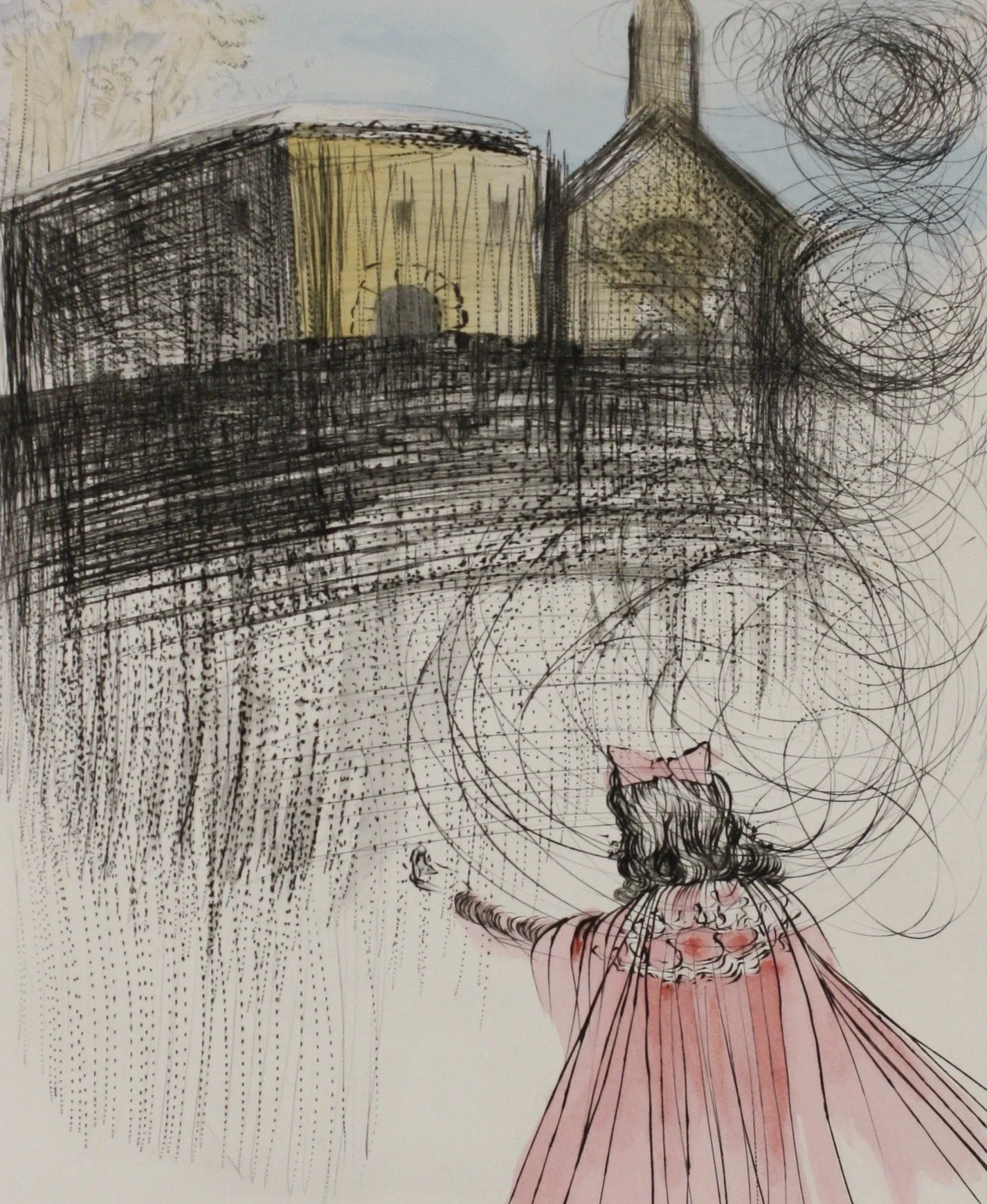
The Glory That Was Spain by Salvador Dali, 1975
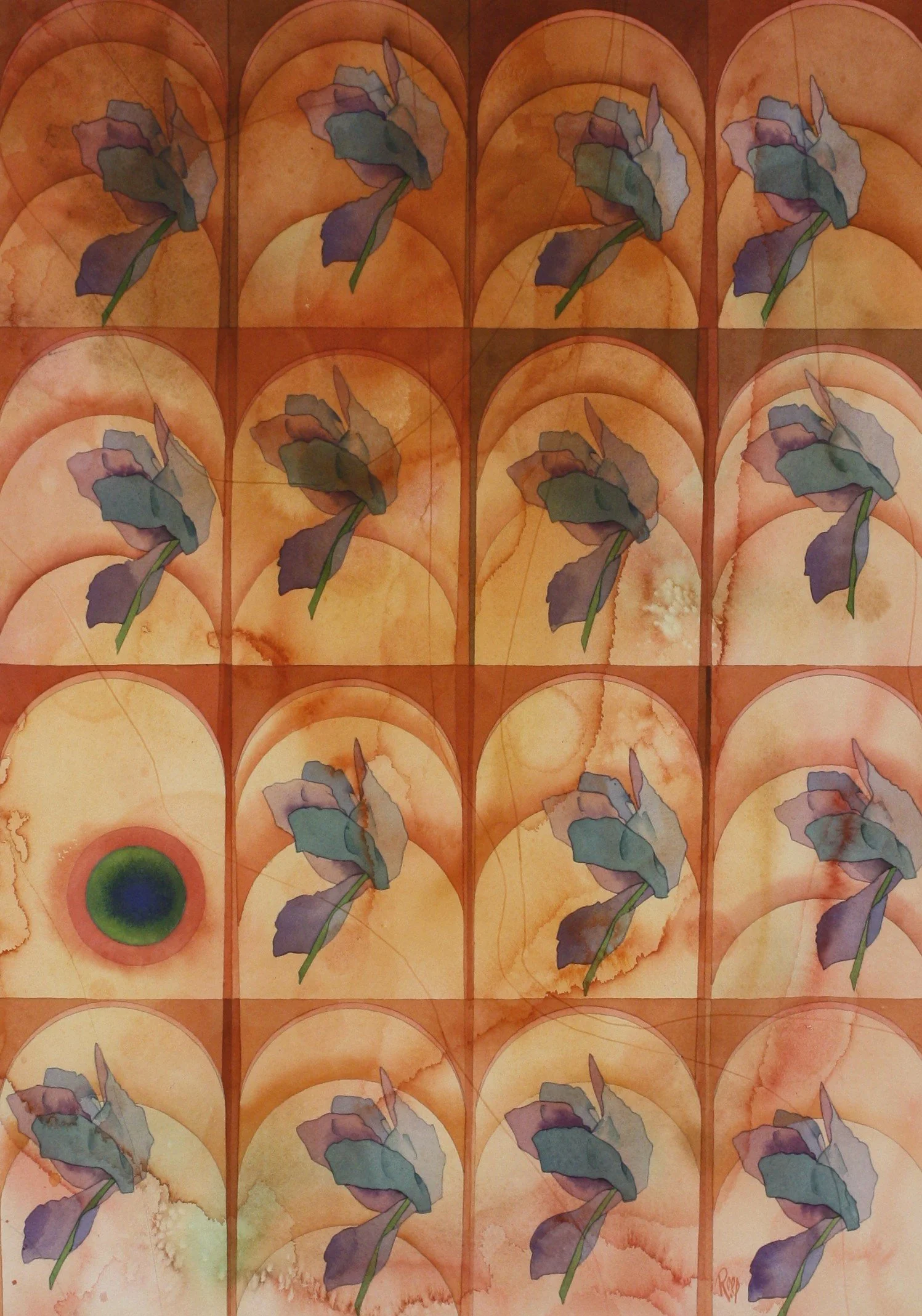
The Moon is But a Darkness by Edward Reep
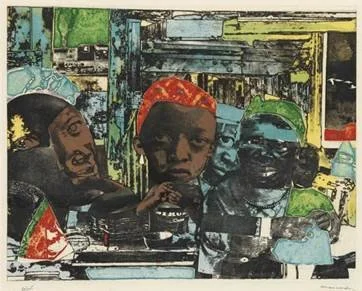
The Train by Romare Bearden, 1975
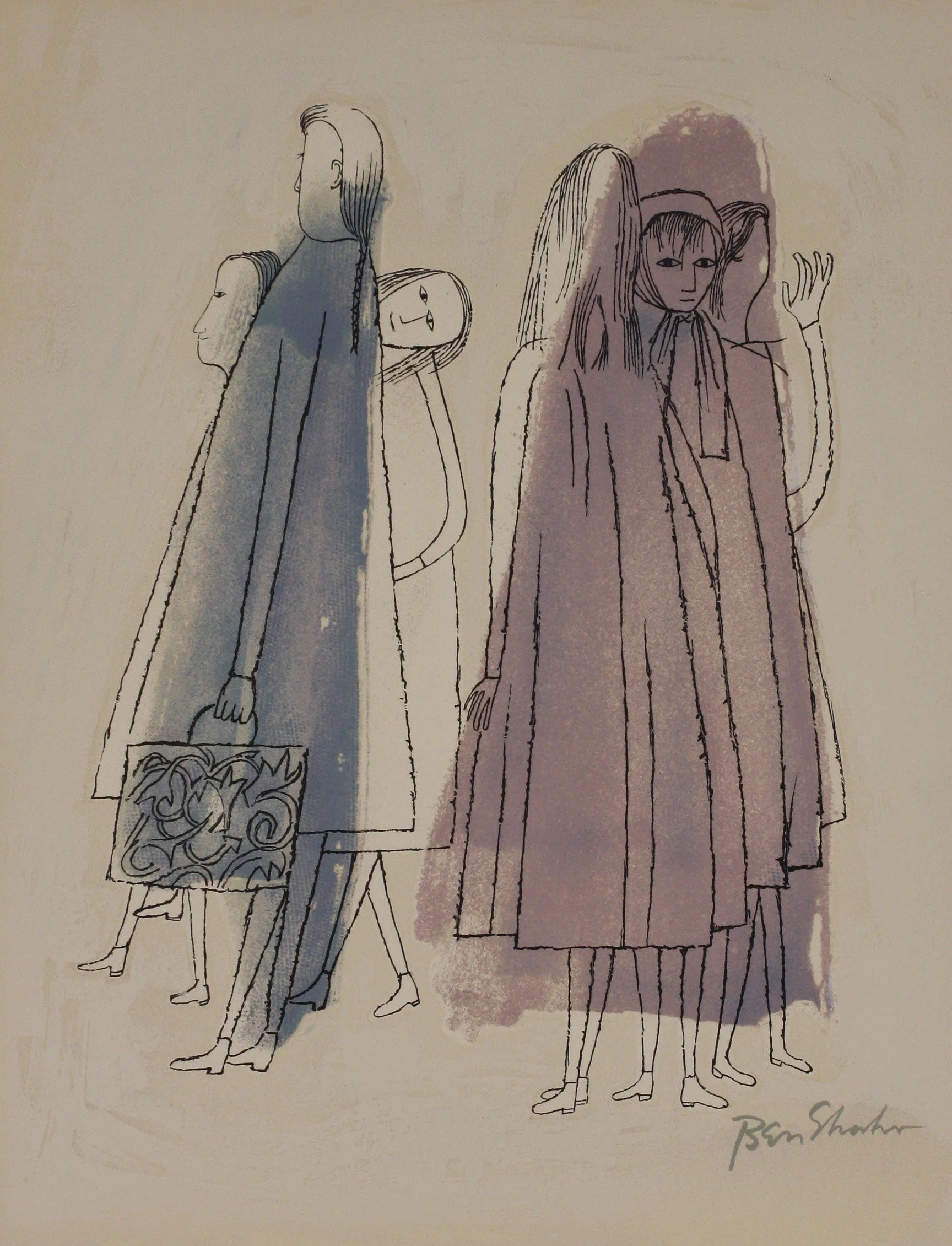
To Days of Childhood by Ben Shahn, 1968
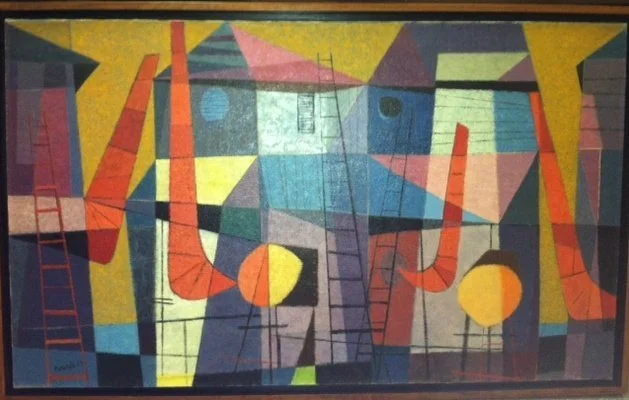
Tobacco Barns by Claude Howell
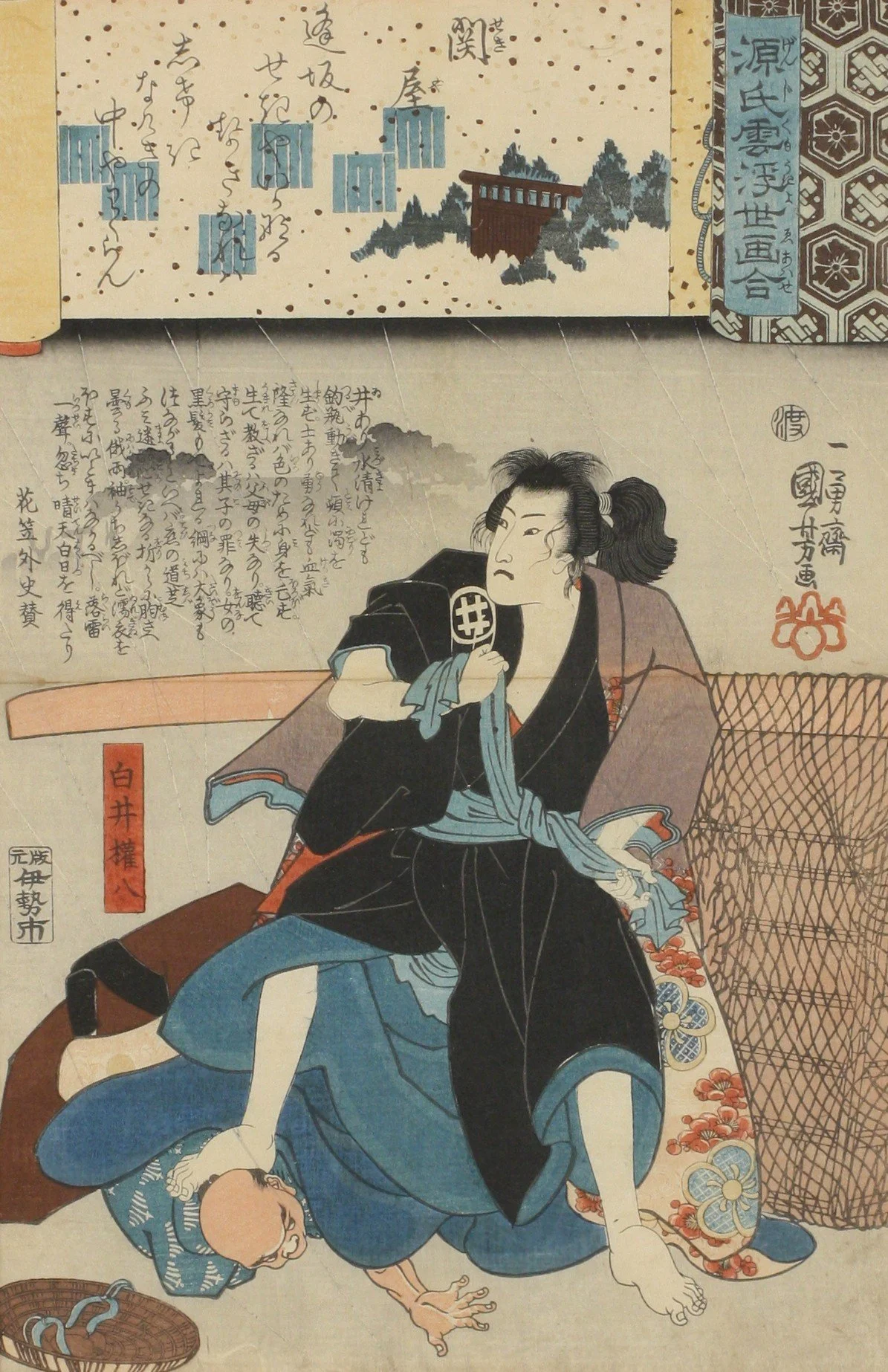
Tokaido Go-Ju-Sal Tsui by Hiroshige Kuniyoshi
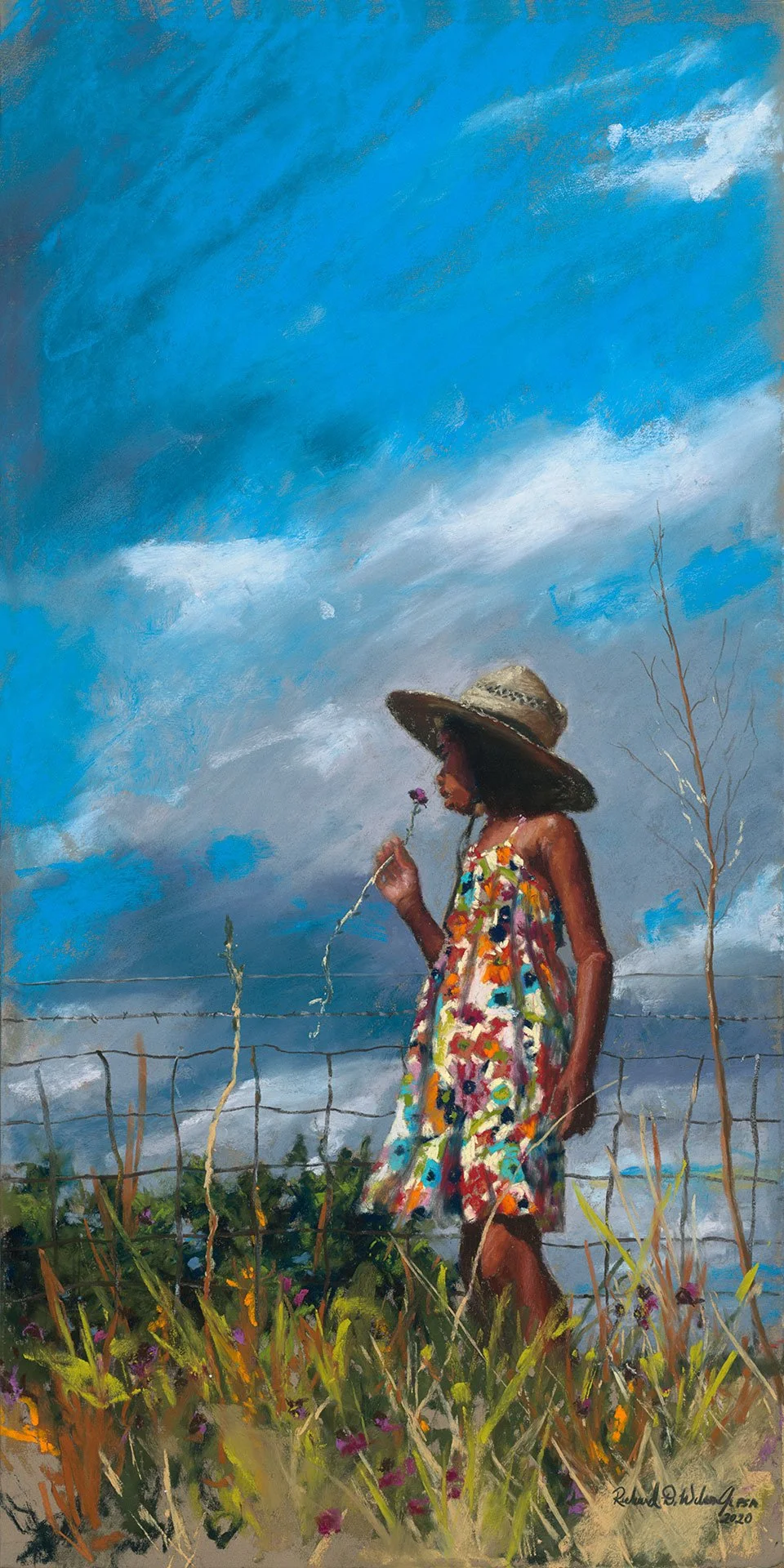
Under the Southern Blue Sky by Richard Wilson, 2020
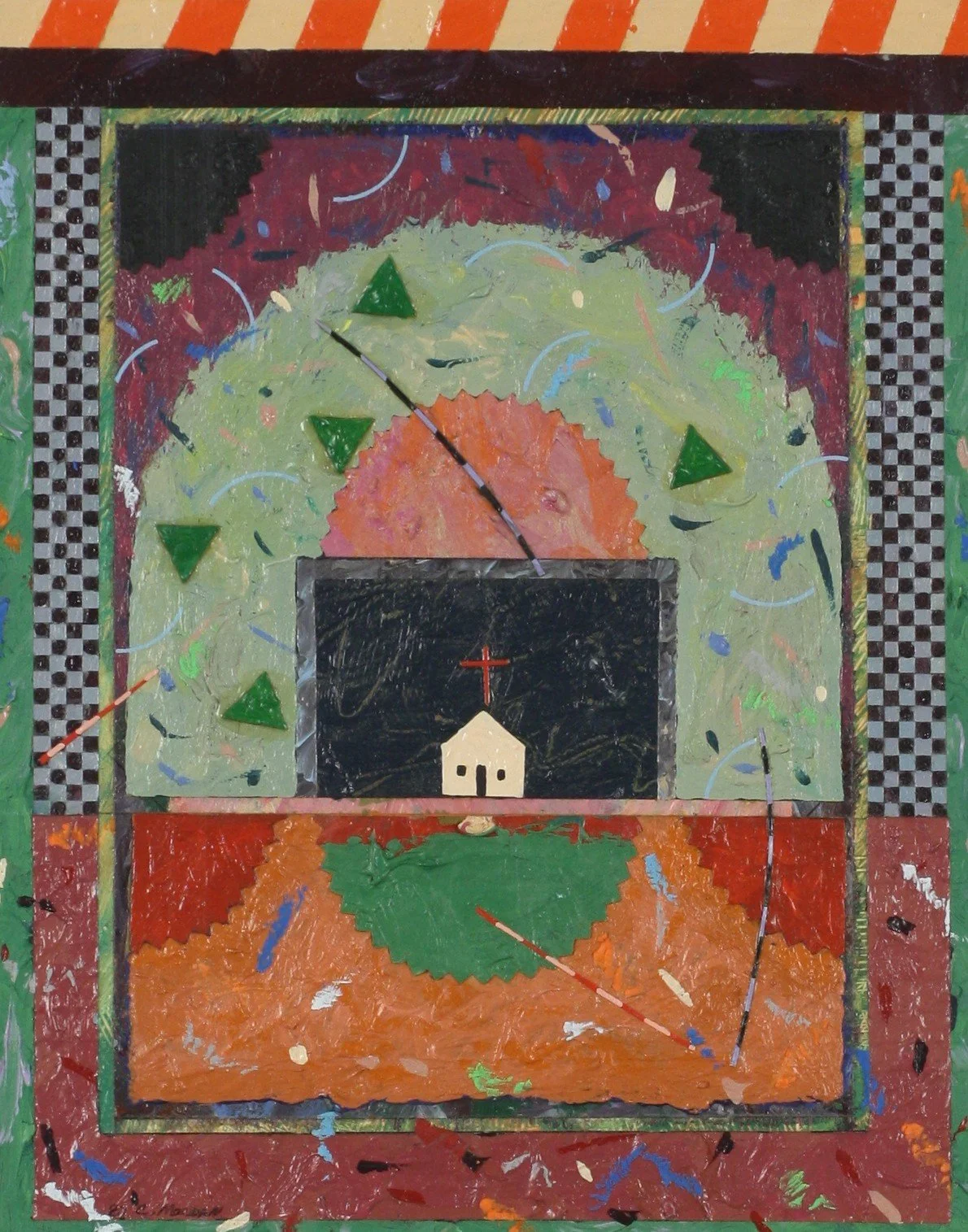
Untitled by Clarence Morgan, 1983
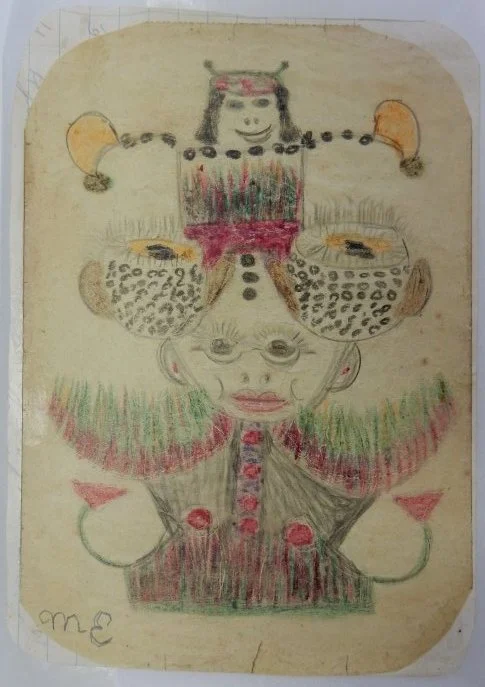
Untitled (Garden Fantasy Creature) by Minnie Evans, Circa 1940
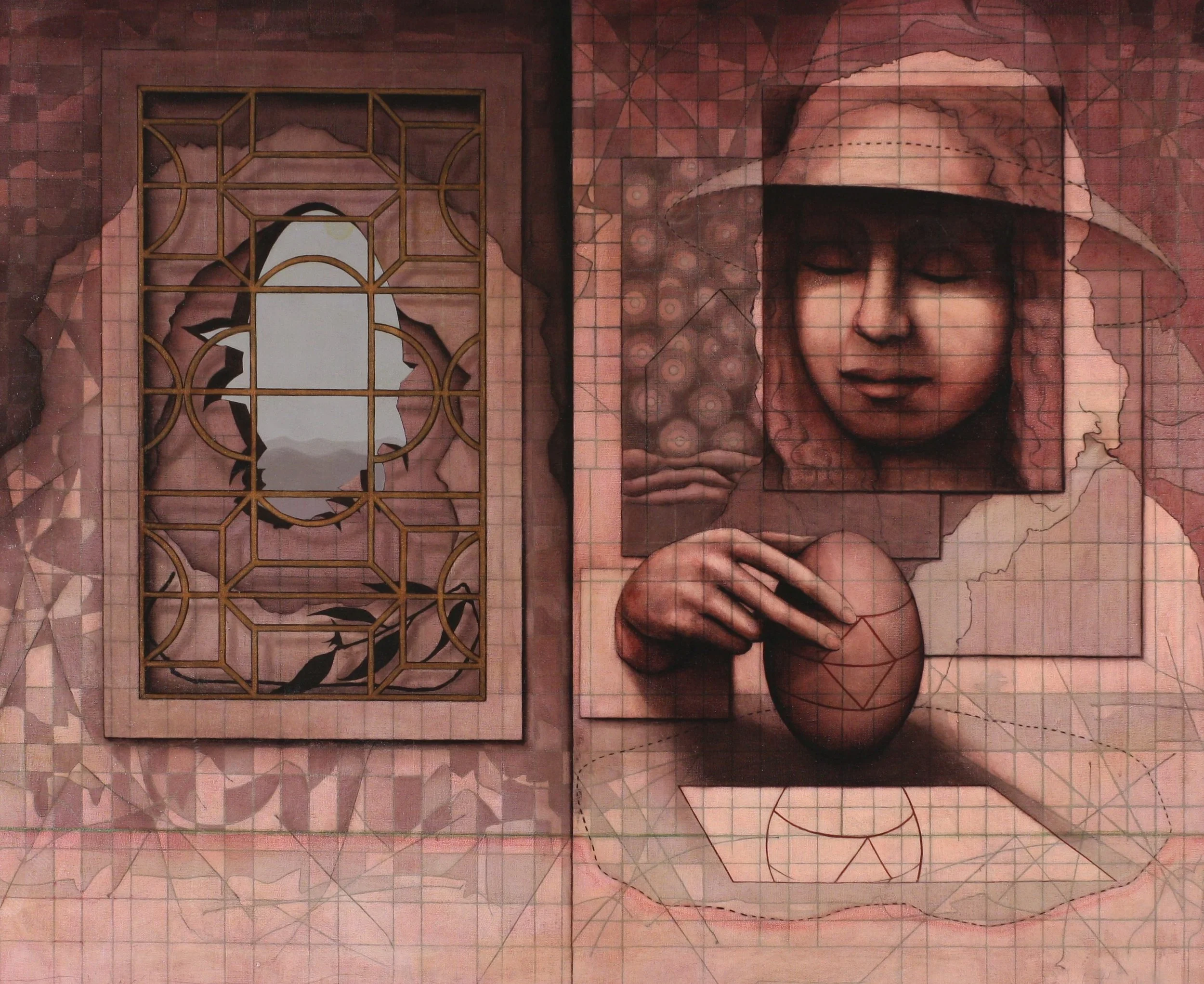
Window by Paul Hartley, 1977
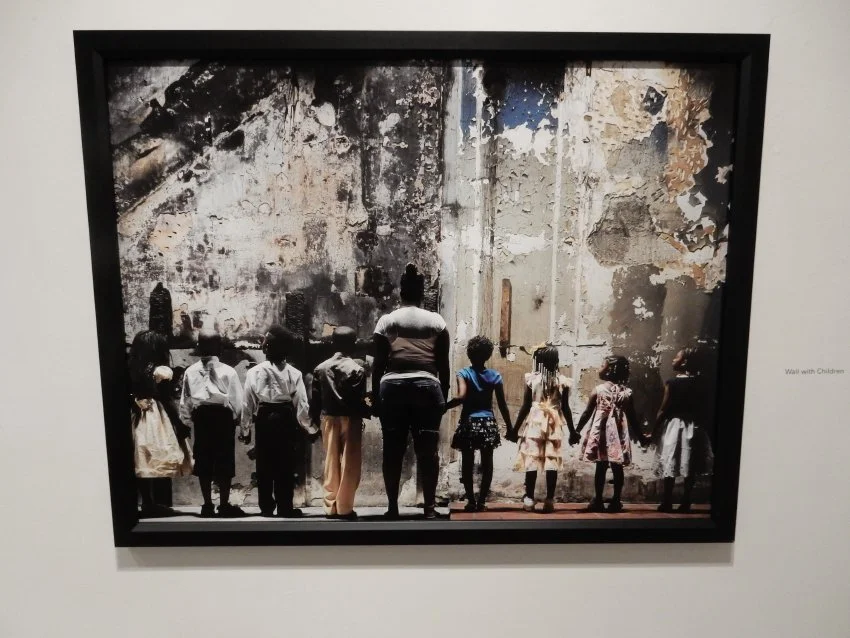
Wall With Children by Burk Uzzle, 2016
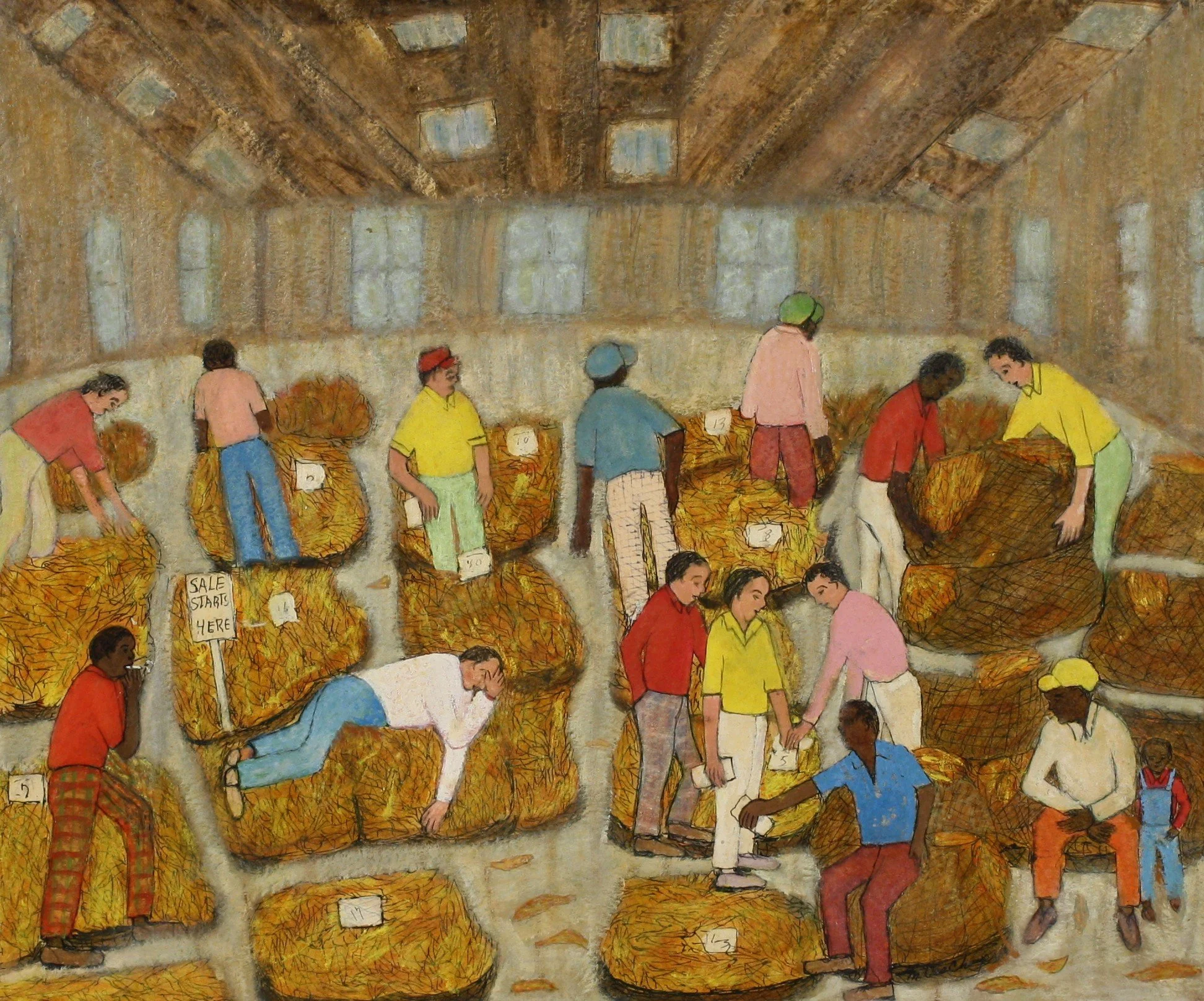
Waiting for Tobacco Auction by Minnie DesChamps